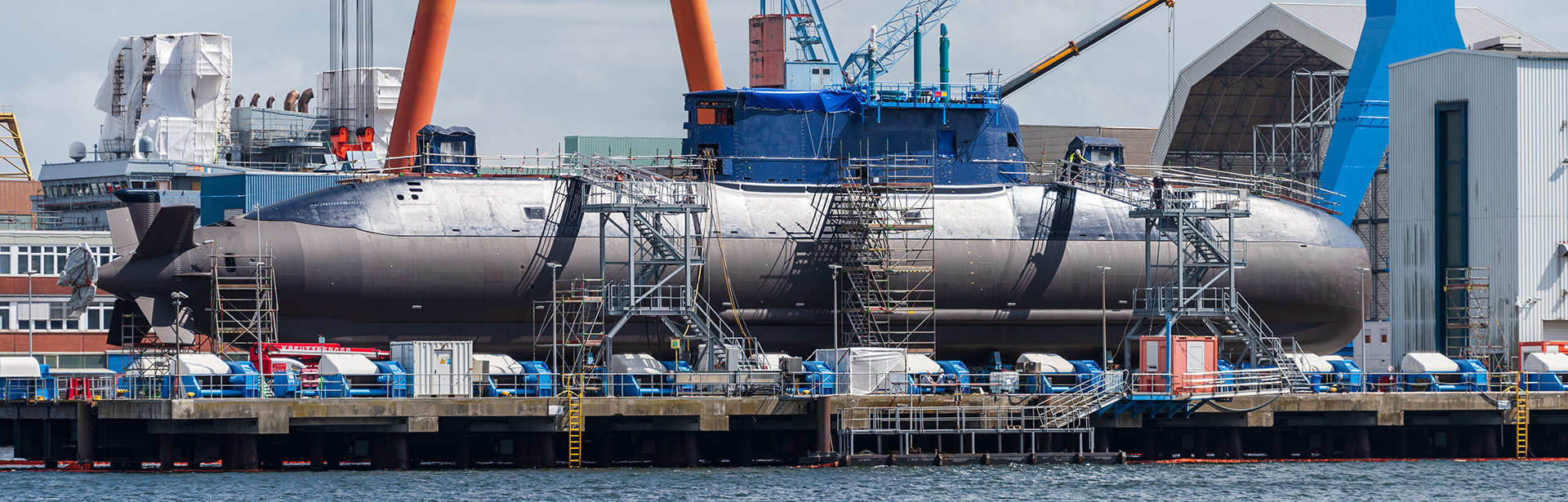
Industrial projects differ from traditional investment projects primarily due to their multitude of interdependencies. Production, logistics, construction, IT, automation, and external partners must be coordinated over long periods of time. Added to this are regulatory requirements, volatile market conditions, approval processes, supply chain risks, and changing market demands. However, complexity is not a sign of poor planning. Today, it is an inherent part of modern industrial projects. Therefore, the key is not to eliminate every uncertainty, but to identify them early on and manage them systematically.
Traditional, Agile, or Hybrid?
Traditionally, industrial projects are managed using established project management methods such as PMI, PRINCE2, or Stage-Gate models. These offer clear responsibilities, defined milestones, and a high degree of planning certainty. At the same time, the need for flexibility is growing. Technological developments, changing market requirements, or new insights gained during the planning phase often make adjustments unavoidable. That is why many companies today rely on hybrid approaches.
Strategic project phases such as feasibility studies, concept development, or basic design are organized in a traditional manner and managed through defined approval processes. Within these phases, however, specialized teams are increasingly working in an iterative and agile manner. The result is a combination of stability and adaptability—often described as “the best of both worlds.”
In our experience, complex projects depend on four success factors:
1. Realistic planning and professional project management
Many projects run into trouble even before implementation begins. This is often due to overly optimistic schedules, incomplete cost estimates, or a lack of risk buffers.
Successful project organizations therefore invest sufficient time in the project setup. This includes robust business cases, realistic timelines, and transparent cost and resource planning. In addition, professional project controlling ensures that deviations are identified early and corrective measures can be initiated in a timely manner.
2. Actively Manage Interfaces
The greatest risks rarely arise within individual departments but rather at their interfaces. When construction planning, production engineering, logistics, and IT operate with differing levels of information, delays are virtually inevitable.
Centralized project management or PMO structures that coordinate all stakeholders have therefore proven effective. Regular coordination meetings, clear decision-making processes, and shared platforms for exchanging information and data create transparency and reduce friction.
3. Taking an Integrated Approach to Risks and Deadlines
In many projects, risk and schedule management are still treated as separate entities. In practice, however, the two are closely interlinked.
Professional project teams identify risks early on, assess their impact, and integrate them directly into the schedule. Modern methods such as Monte Carlo simulations also make it possible to quantitatively analyze uncertainties and create robust scenarios for cost and schedule developments.

4. Manage Changes in a Controlled Manner
Hardly any industrial project proceeds exactly as originally planned. New requirements, technical adjustments, or external factors often make changes unavoidable.
Structured change and claim management is therefore crucial. Every change should be evaluated in terms of cost, time, and benefit. This ensures that impacts remain transparent, change orders are traceable, and decisions are sound.
Focus on Cost-Effectiveness and Sustainability
In addition to cost, time, and quality, our experience shows that long-term cost-effectiveness is taking center stage. Project decisions should therefore always be evaluated in terms of their impact on capital commitment, ROI, and production ramp-up. At the same time, ESG criteria and sustainability requirements are gaining in importance. Energy-efficient buildings, resource-conserving production concepts, and low-carbon infrastructure are no longer merely compliance issues but key factors for the future viability of investments.
Added to this is the growing importance of resilience. Supply chain disruptions, geopolitical uncertainties, and skills shortages require more robust project structures, flexible planning concepts, and sufficient reserves to account for unforeseen developments.

Conclusion
Complex industrial projects cannot be managed solely through detailed schedules. Successful project management combines clear governance structures with professional risk and interface management, makes consistent use of digital tools, and keeps business objectives in sight at all times.
Those who combine planning certainty with agility and actively manage complexity create the conditions necessary to reliably lead projects to success on time, within budget, and to the required quality standards.