Europe Sets Course for Maritime Security
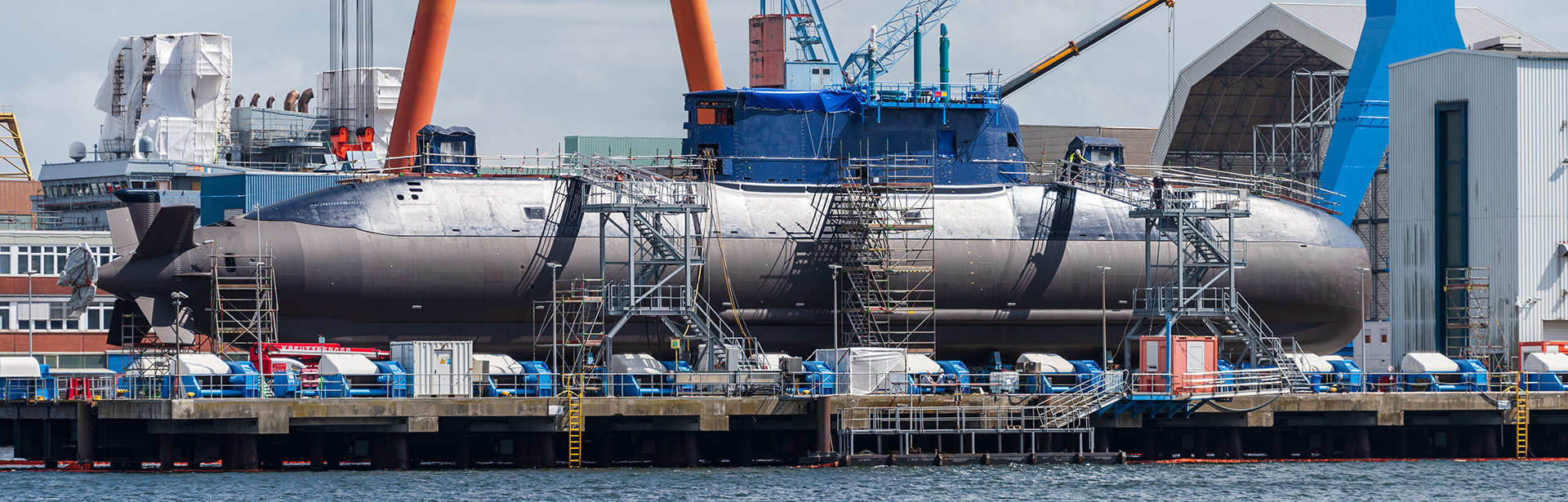
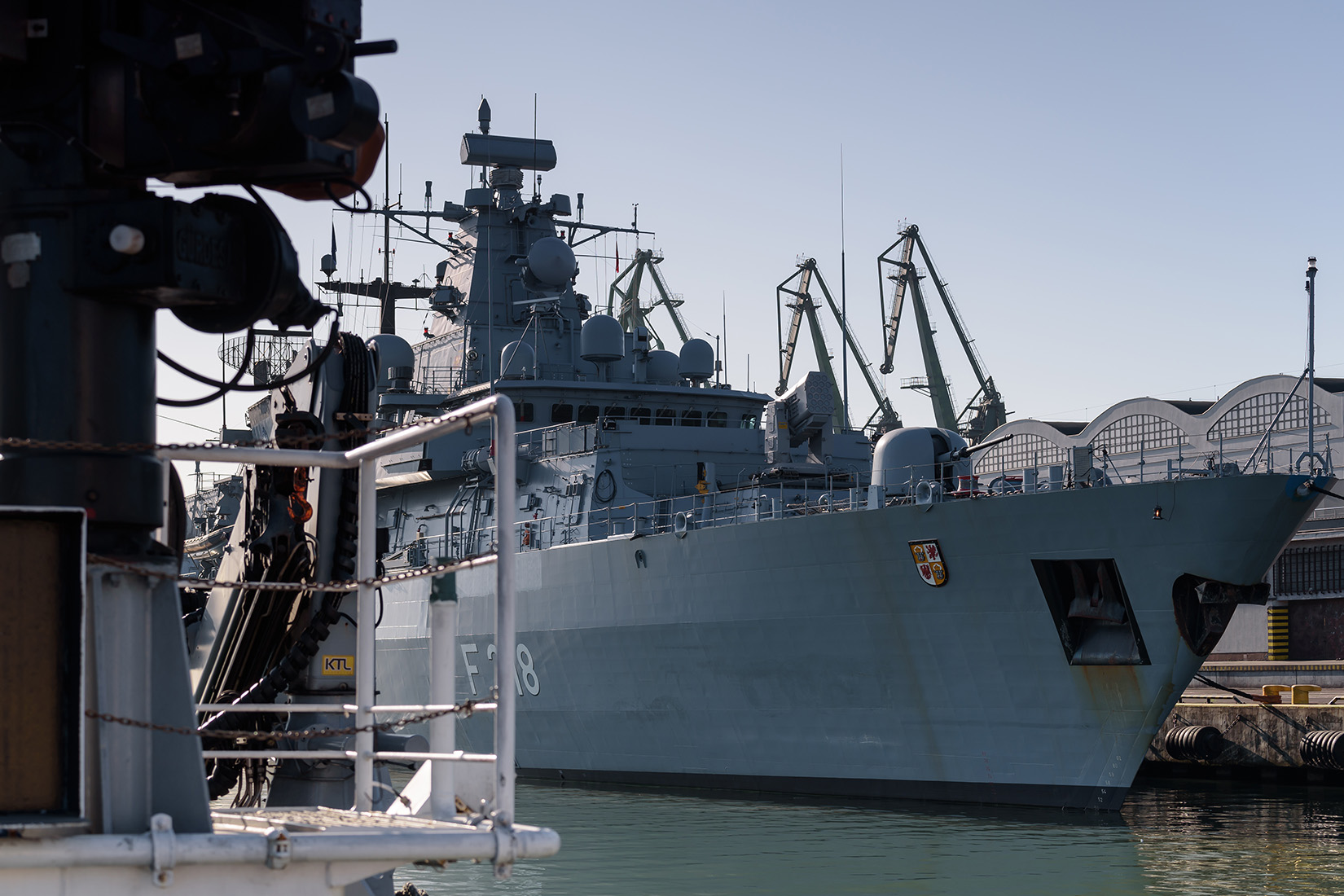
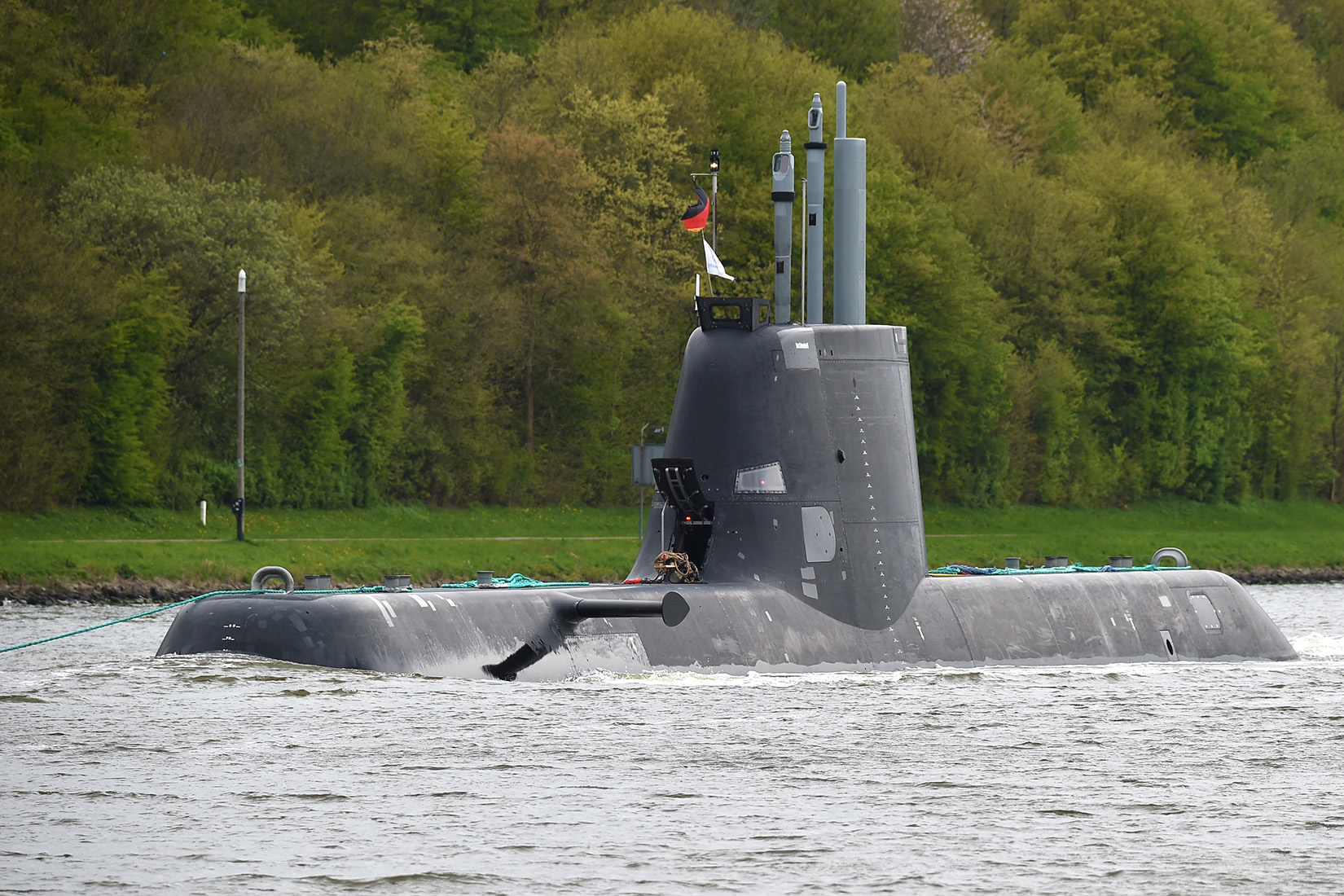
Maritime defense is experiencing a renaissance worldwide. In light of geopolitical tensions, growing threats to critical underwater infrastructure, and the increasing importance of global supply chains, Western nations are now investing in their naval forces at a level not seen in decades. The focus is on modern submarines, frigates, autonomous systems, and the protection of ports, energy facilities, and communications networks.
Germany plays a key role in this development. With its maritime industry, the country possesses unique expertise in submarine and naval shipbuilding and is a vital pillar of European defense capabilities. New procurement programs by the German Navy, along with international collaborations, are laying the foundation for long-term growth, technological innovation, and industrial sovereignty.
Plan faster. Build capacity.
The real challenge, however, begins not on the water but on land. To meet rising demand, production capacity must be expanded, existing facilities modernized, and new industrial infrastructure built. In addition to shipyards, this affects manufacturing, logistics, quality assurance, digitalization, and highly secure production environments. Speed becomes a decisive competitive factor in this context.
This is precisely where io’s strength lies. For decades, io has been supporting companies in the planning and implementation of complex industrial, logistics, and infrastructure projects. From site strategy to factory and logistics planning to project management, io brings together all the necessary disciplines under one roof.
This integrated approach makes it possible to efficiently implement brownfield and greenfield projects and to quickly scale industrial capacity.
A Boom in Orders Meets Capacity Pressure
The current wave of investment in naval defense is far more than just an arms program. It is a comprehensive industrial and infrastructure program for Germany and Europe. Shipyards, technology companies, suppliers, and public contractors face the challenge of building new capabilities in a short period of time. With its expertise in industrial planning, logistics, and project management, io plays a crucial role in ensuring that political decisions result in high-performance sites and operationally ready capacities.
The momentum of this development is also evident in the industry’s most recent order intake. The German naval shipbuilder TKMS (thyssenkrupp Marine Systems) has a historically high order backlog and is benefiting from rising global demand for conventional submarines and naval vessels. In the summer of 2026 alone, the company was awarded the contract—or rather, was designated as the preferred bidder—for a Canadian submarine program involving up to twelve submarines. At the same time, the German Bundestag approved the procurement of four new MEKO A-200 DEU-class frigates for the German Navy, with an option for additional units. At the same time, numerous NATO countries are investing in the expansion of their maritime capabilities, ranging from underwater surveillance systems and autonomous platforms to new shipbuilding and maintenance capacities. In many places, the industry’s order books extend well into the 2030s, making it clear that maritime defense is emerging as one of Europe’s most important areas of industrial growth.

Conclusion
The future of defense capabilities will not be decided solely at sea—but rather by the ability to build industrial infrastructure quickly, securely, and sustainably. Germany is exceptionally well-positioned in this regard. And io is ready to play an active role in shaping this transformation.