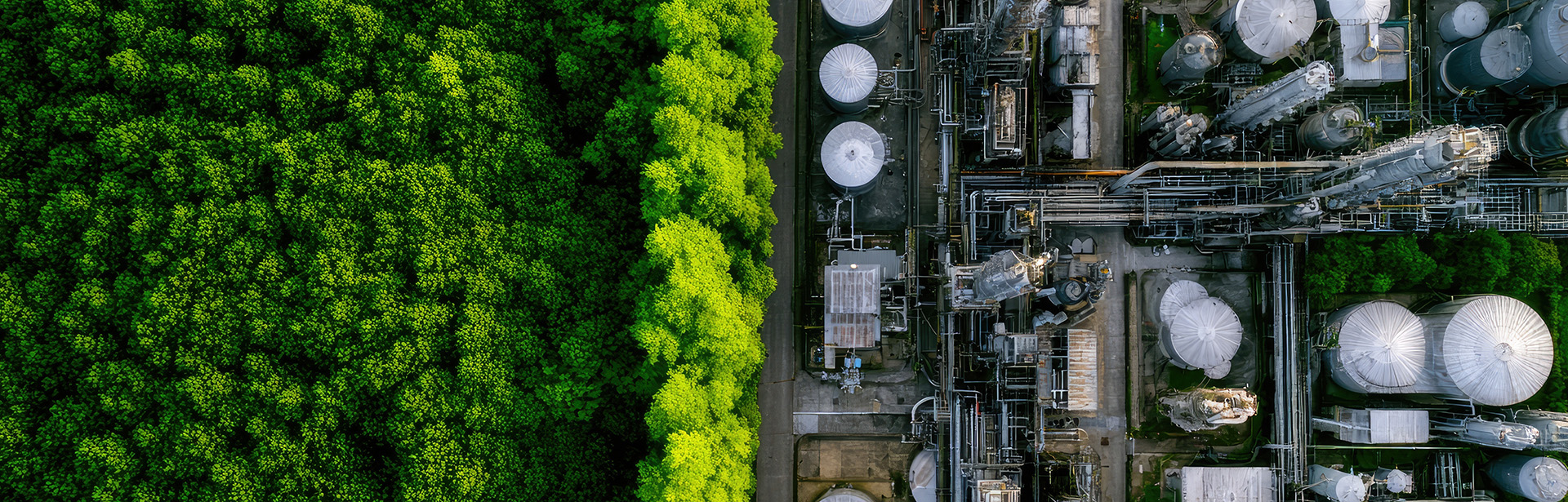
Today, successful manufacturing facilities must do more than just produce efficiently. Decarbonization, digitalization, geopolitical uncertainties, a shortage of skilled workers, and increasing ESG requirements are fundamentally changing the demands placed on factories. Companies therefore need plants that not only produce efficiently but are also flexible, resource-efficient, and attractive to employees. A site’s future viability is therefore no longer determined solely by production metrics. What is needed are holistic concepts that combine environmental, economic, and social goals.
Sustainability as a Competitive Factor
Sustainability has evolved from a regulatory requirement into a strategic success factor. Customers, investors, and employees expect transparent measures to reduce emissions and resource consumption. For production sites, this means, among other things:
- Energy-Efficient Buildings and Technical Systems
- Use of renewable energy
- Resource-efficient production processes
- Smart water and material cycles
- Transparent ESG metrics
Companies that integrate sustainability into their location strategy early on not only reduce their environmental impact but also strengthen their competitiveness through lower operating and energy costs.
People as a Key Success Factor
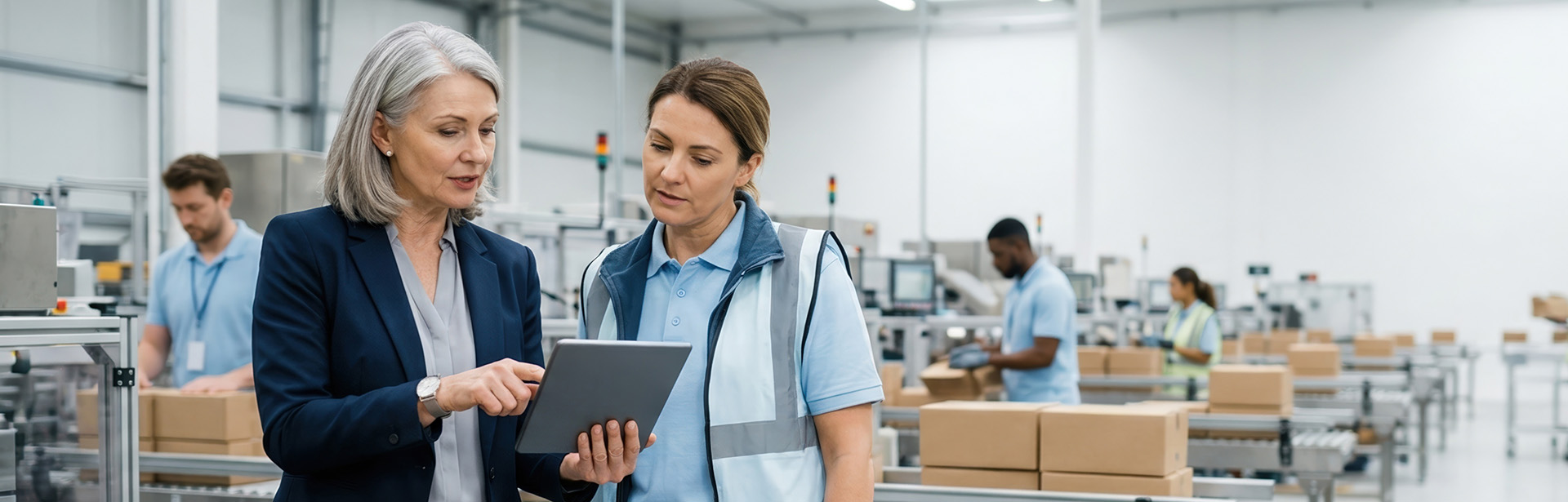
In addition to environmental requirements, social aspects are becoming increasingly important. Competition for qualified skilled workers is forcing companies to consider production sites more from the employees’ perspective.
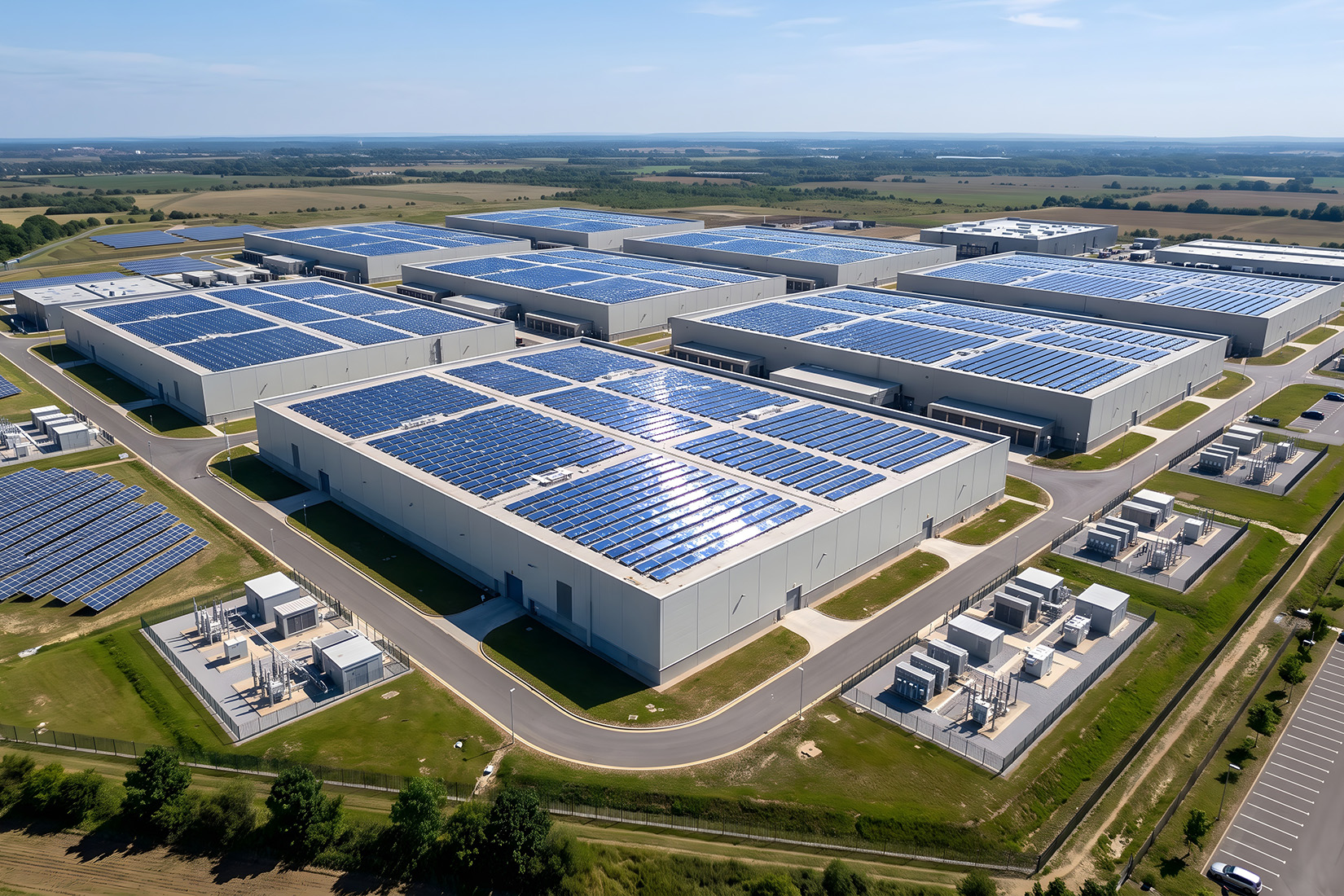
Modern factories therefore offer more than just functional production spaces. Good acoustics, a high quality of the work environment, natural light, healthy indoor air, flexible workspaces, and modern mobility concepts contribute significantly to an employer’s appeal. The factory of the future is thus not just a production site, but also a place where people enjoy working productively over the long term.
Resilience and Flexibility as the Foundation of Future Viability
Recent years have shown how quickly market conditions and the broader environment can change. Supply chain issues, fluctuations in energy prices, and new regulatory requirements highlight just how important adaptable locations have become.
Future-proof facilities are therefore characterized by the following:
- Flexible building structures
- Expansion options for production and logistics
- Scalable energy and utility supply
- Digital infrastructure
- High adaptability to new technology
Taking these aspects into account early in the planning phase reduces future renovation costs and ensures long-term investment security.
Real-World Industry Experience: Sustainability Is Achieved Through Integration
Experience from industrial projects shows that sustainable facilities can only be created when production, logistics, buildings, and energy supply are considered together. For example, io supported WEIDMÜLLER in the development of a new production facility and guided the project from the concept phase through to implementation. The goal was to combine efficient production processes with a site structure that could be expanded over the long term.
Similar requirements applied to projects for BestSecret, Kärcher, and CERATIZIT. The focus was not only on current capacity needs but also on future growth opportunities, automation potential, and sustainability goals. The importance of integrated concepts is also regularly evident in the life sciences sector. In projects such as the capacity expansion for B. Braun, sustainability, production reliability, and future scalability had to be given equal consideration.
The Integrated Site Strategy as a Model for Success
The greatest potential arises when factory planning, architecture, logistics, building services, and energy systems are developed not in isolation but as an integrated system. This is precisely the approach io takes as a general planner for industrial and life sciences projects. By intelligently integrating factory planning, logistics, architecture, sustainability, and energy efficiency, we create production sites that meet today’s highest standards while offering the flexibility needed to address tomorrow’s challenges.

Conclusion
The factory of the future will not emerge from individual sustainability measures or technological innovations alone. Successful production sites combine environmental responsibility, economic performance, and social quality into a holistic, integrated concept. Companies that strike this balance not only improve their sustainability performance but also secure their long-term competitiveness. Future-proof plants are built where production, people, and the environment are considered as a unified whole.