You shouldn't try to predict the future; instead, you should make it possible.
Antoine de Saint-Exupéry (1900–1944) was a French pilot, writer, and one of the pioneers of early aviation. His experiences flying over deserts, mountains, and oceans shaped his literary work, which combines adventure, responsibility, and humanity. He became world-famous for *The Little Prince*, a story that remains one of the most widely read books in the world to this day. His thoughts on foresight, courage, and responsibility remain relevant today.
Dear Readers,
To me, the quote at the beginning reads like a call to action. It encourages us not to simply wait for change to happen. Rather, it’s about shaping change ourselves so that something new can emerge, in line with our own vision and goals. This applies to literature just as much as it does to industrial manufacturing—or to the planning and design of a new production facility and its digital transformation.
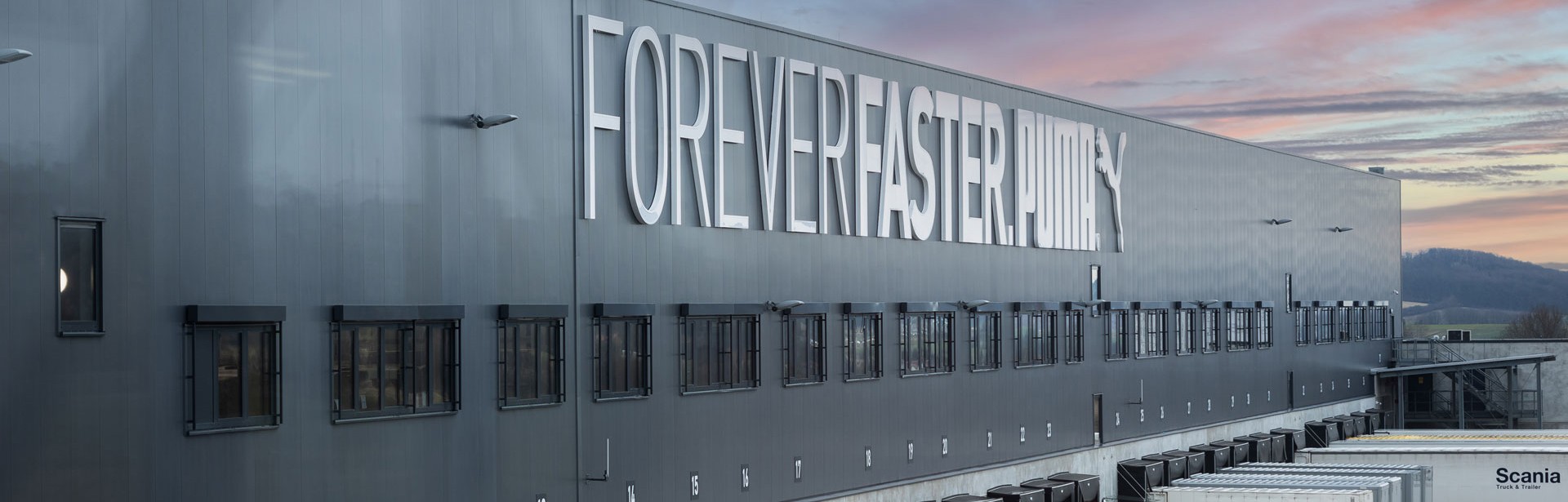
A factory is far more than a functional building made of concrete, steel, and glass. It is an investment in the future of the business—and thus a decision that points toward the vague and the unknown. What products will be in demand next winter, in five years, or in 20 years? How are supply chains, markets, and technologies changing? What conditions will digitalization, automation, and sustainability goals impose on the manufacturing of tomorrow?
Anyone planning a factory today must think beyond floor plans and production halls. Modern factory planning creates structures that incorporate change and progress from the very beginning. As digital infrastructure increasingly becomes the backbone of modern production facilities, competitiveness today requires flexible production areas, automated material supply, and connected systems. Digitalization plays a central role in this. SAP solutions that connect business processes such as production, logistics, and transportation provide transparency into individual workflows—in real time, enabling data-driven decisions and serving as an enabler for AI.
But technology alone does not ensure sustainability. It requires people who understand processes, take responsibility, and collaborate across disciplines while exploring options between investment and lifecycle costs or brownfield and greenfield projects. “Hybrid Thinking” is the buzzword of the moment.
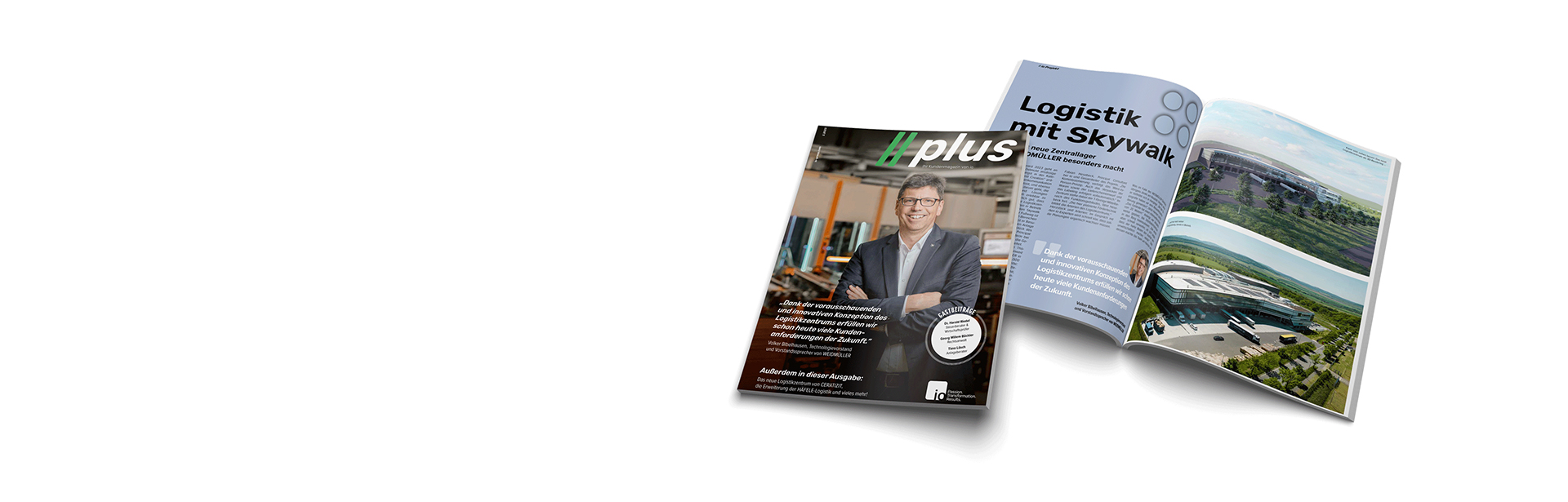
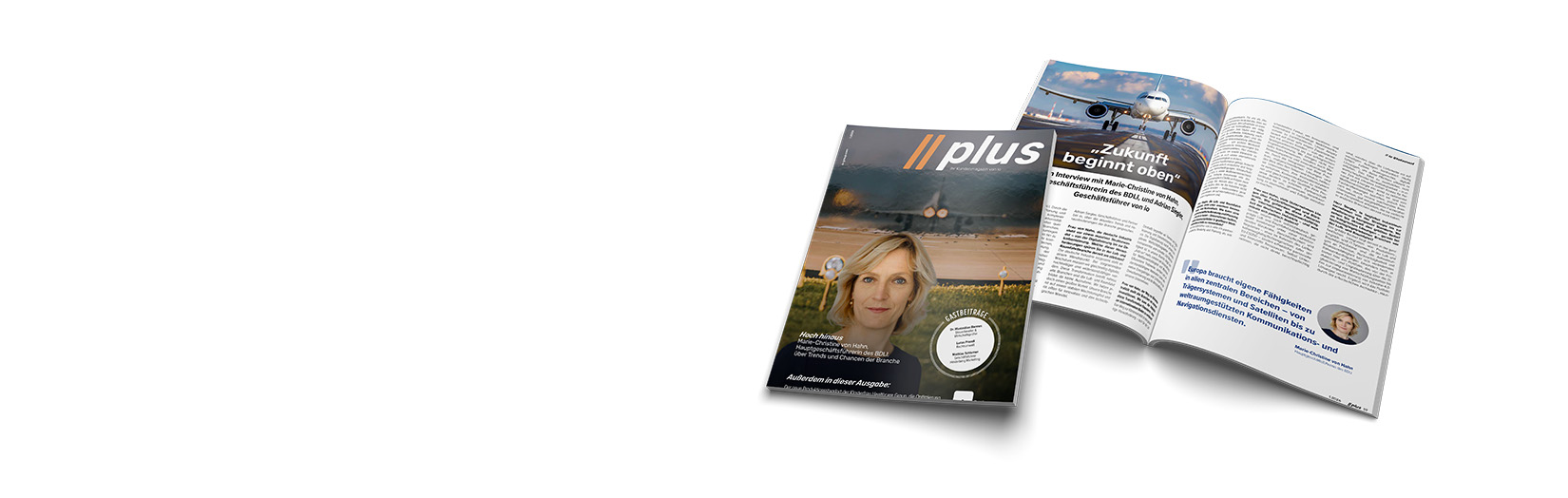
You can find more on these topics on the following pages of this new issue of our customer magazine // plus. It features in-depth technical articles and real-world examples, all centered on the possibilities and methods of modern factory planning—including a guest article by attorney Justus Neuwirth and an interview with Dr. Hans Christoph Atzpodien, managing director of the BDSV.
I hope you enjoy reading our magazine! You’re sure to find inspiration, perhaps even answers—and certainly new questions as well. That’s why we’ve listed our contact persons directly in the magazine. Please don’t hesitate to reach out to them. The same goes for me—I’m always available to assist you and look forward to your feedback, which you’re welcome to send via email to kundenmagazin(at)io-group.com.
I look forward to hearing from you!
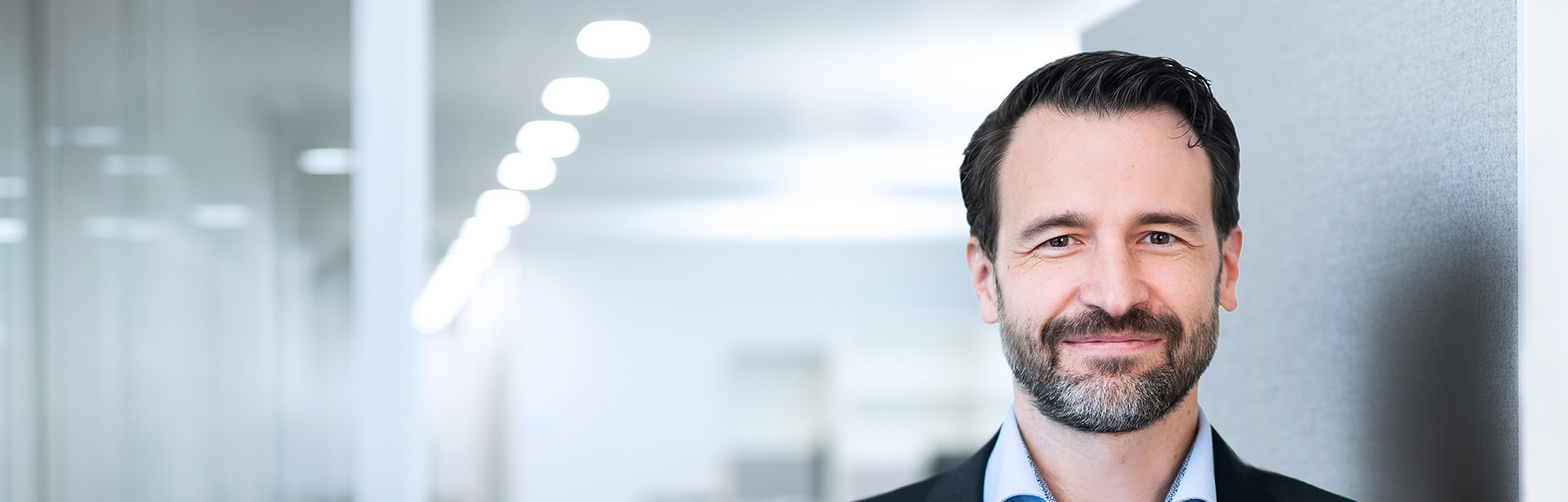
Sincerely, Marco Lederle