// io Statement
Speed, Scalability, Feasibility
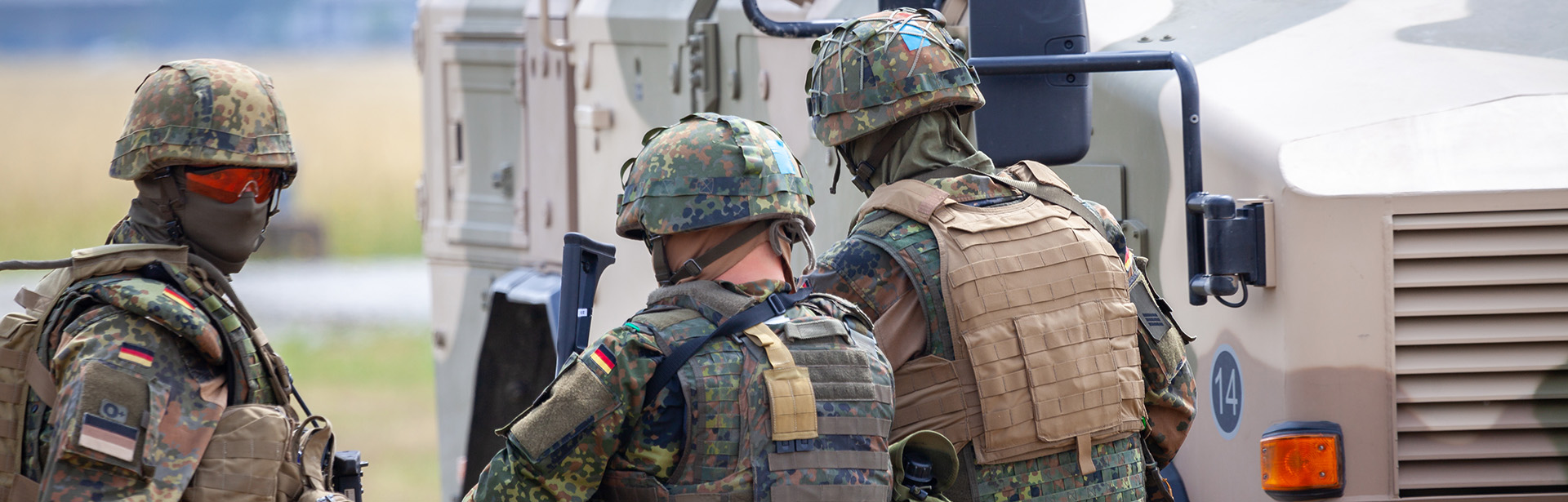
BDSV and io in Conversation: Strategies for Modern Defense Facilities, Resilient Supply Chains, and Faster Investment Projects.
Read article
// io Trend
Hybrid Thinking
Read article
// io Project
From Tyrol to the World
Read article
A Brighter Future Without Building from Scratch
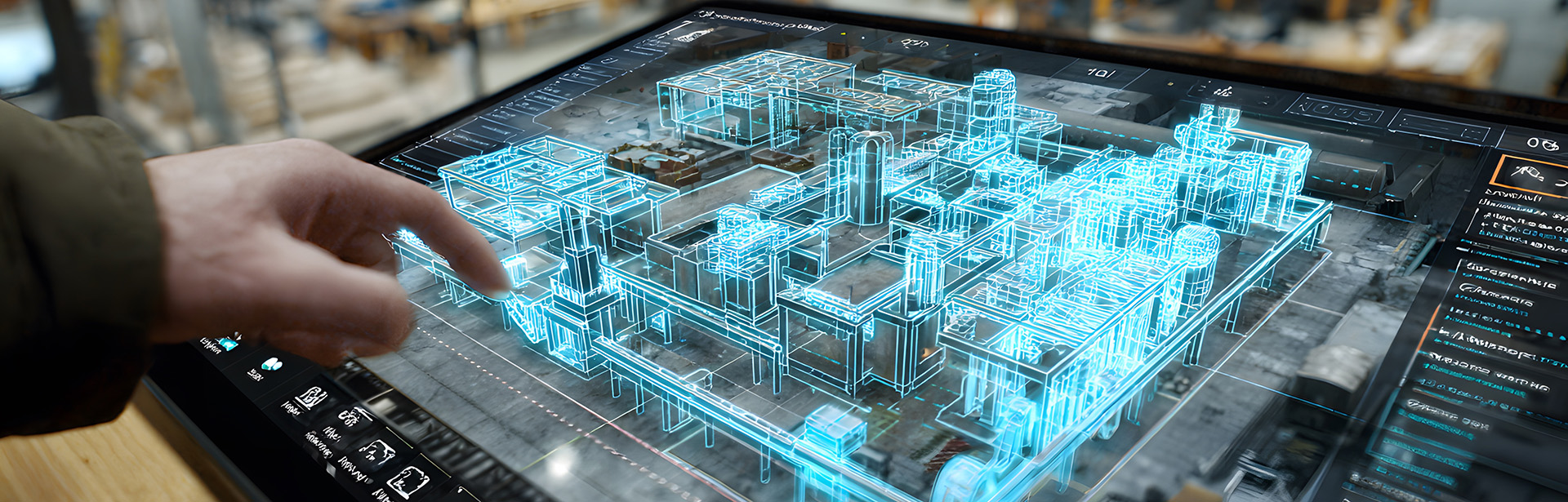
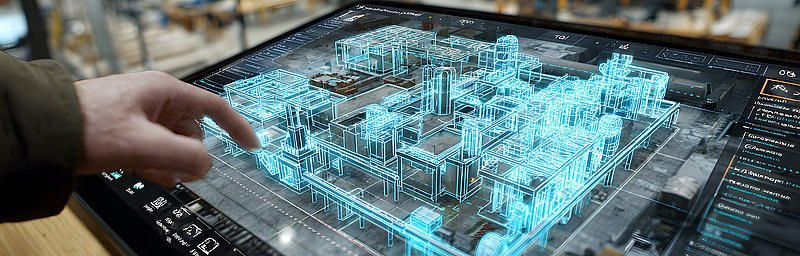
“Hybrid Thinking” applies greenfield planning principles to existing factories, thereby combining new design possibilities with the advantages of existing infrastructure. Optimized material flows, modular concepts, and digital technologies enable step-by-step modernization while production continues. Key factors include a thorough analysis of the existing facility, integrated planning, and the early involvement of employees. This approach enhances efficiency, flexibility, and future-readiness without the need for a completely new building.
No Blind Spots
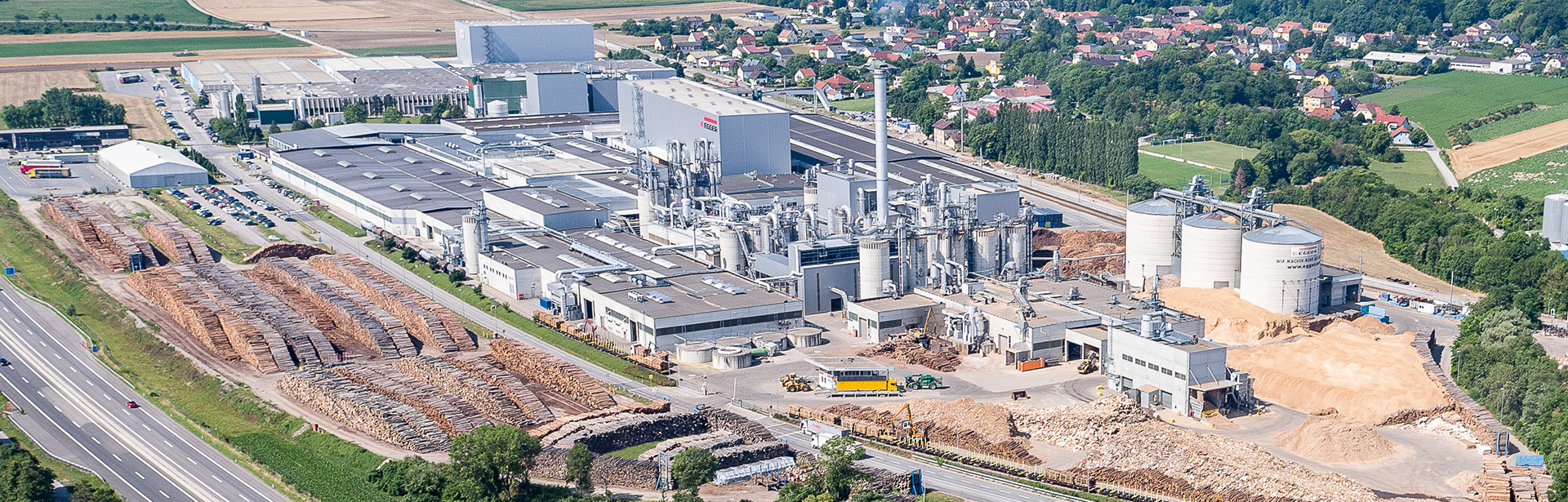
EGGER, in collaboration with io, is standardizing its global warehouse management and material flow control based on SAP EWM, including MFS. A standardized modular approach enables a phased rollout and the integration of automated warehouse technology—at nine locations, even while operations are ongoing. Key factors include striking a balance between global standards and local requirements, as well as thorough process analyses, training, and the early involvement of users. This creates a scalable platform for connecting additional plants.
Table of Contents
All Articles
// io Editorial
// io Knowledge
// io Location
// io Project
// io Statement
// io Trend
// io Editorial
Editorial

// io Knowledge
Greenfield or Brownfield?
// io Knowledge
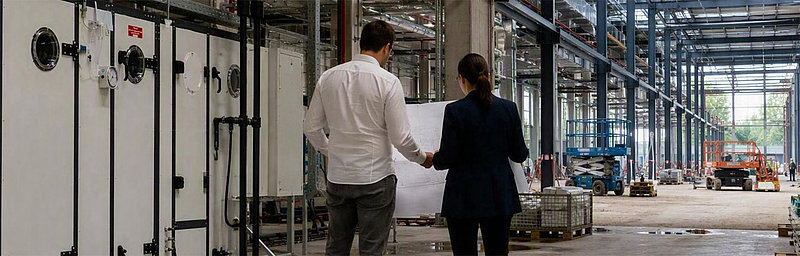
Use Existing Space Instead of Building New Ones
// io Statement
Greenfield
// io Trend
Hybrid Thinking

// io Knowledge
From Conceptual Planning to Master Planning

Digital Planning as a Decision-Making Model

// io Knowledge
Permits and Reality
// io Statement
Lead Consulting // plus: The Art of Simplifying Complexity

// io Knowledge
Between Evolution and Transformation
// io Statement
Location Found—Risk Identified?
// io Project
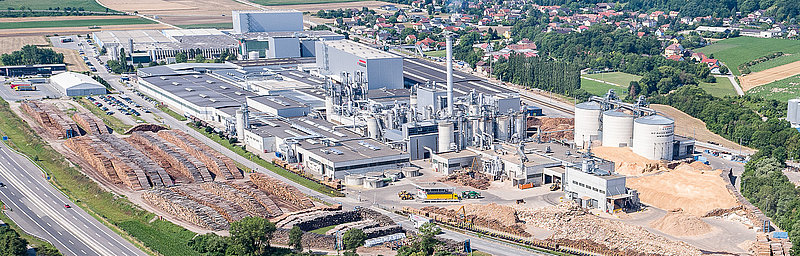
From Tyrol to the World
// io Project
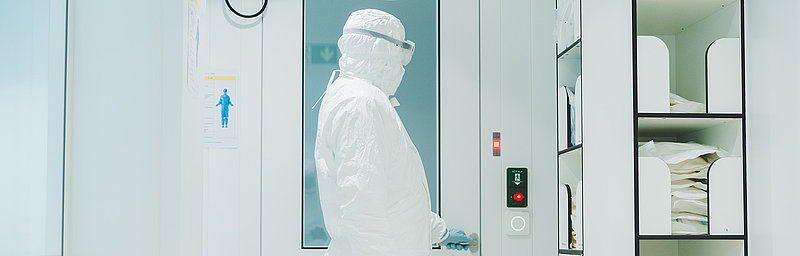
When Plans Become Reality

// io Knowledge
Managing Risks, Enabling Flexibility

// io Trend
Change Management

// io Knowledge
Life-Cycle Costs at a Medium-Sized Machinery Manufacturer
// io Statement
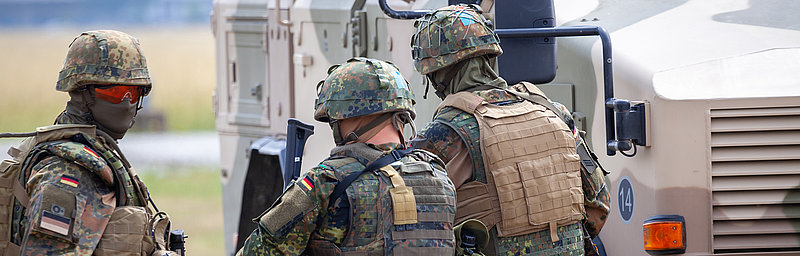
Speed, Scalability, Feasibility
// io Knowledge
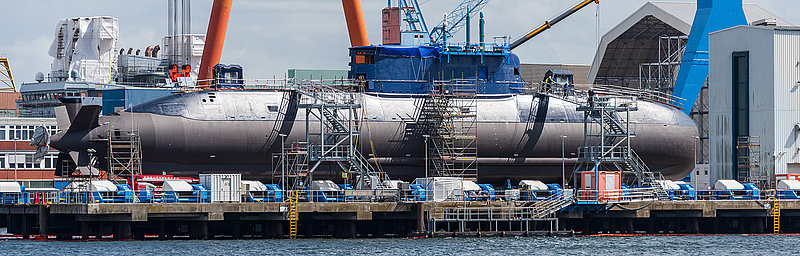
A New Era at Sea
// io Knowledge
ESG & Sustainability

// io Trend
Future-Proof Production Sites

// io Knowledge
Investment costs aren't everything
// io Location
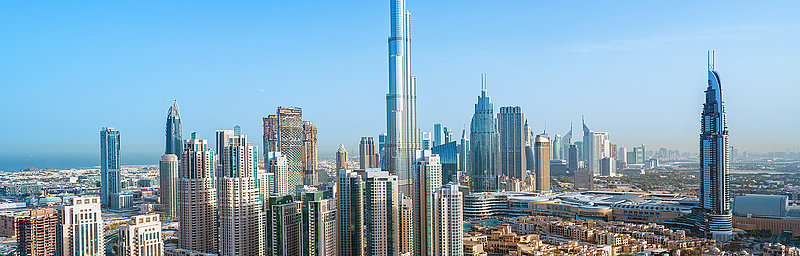
Dubai Office