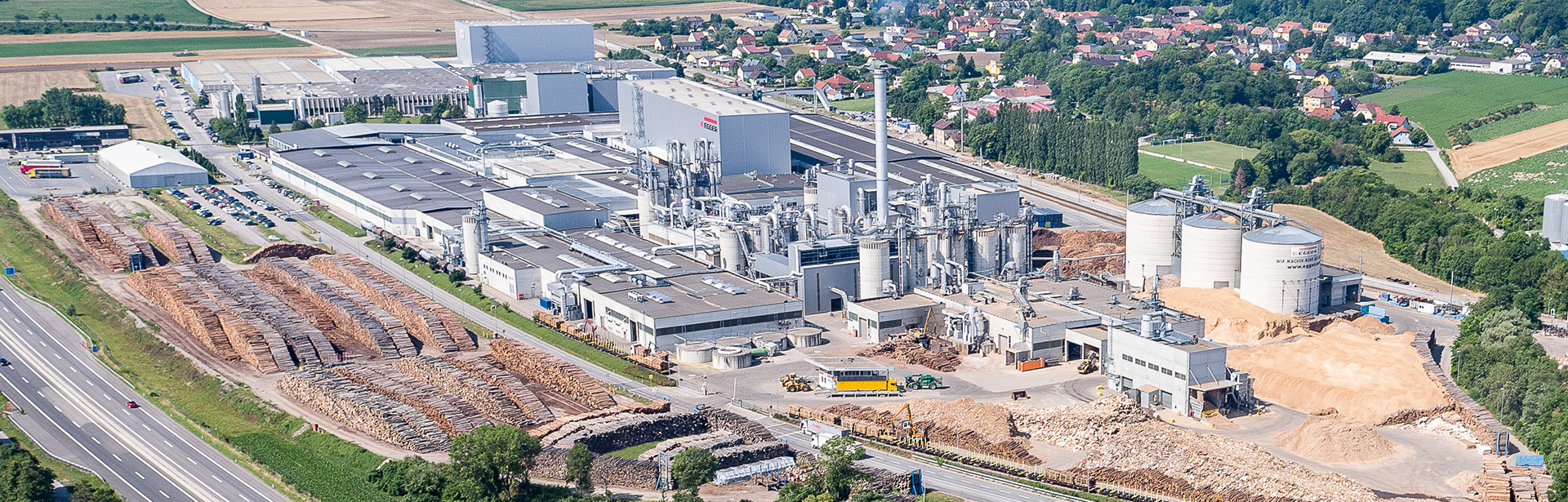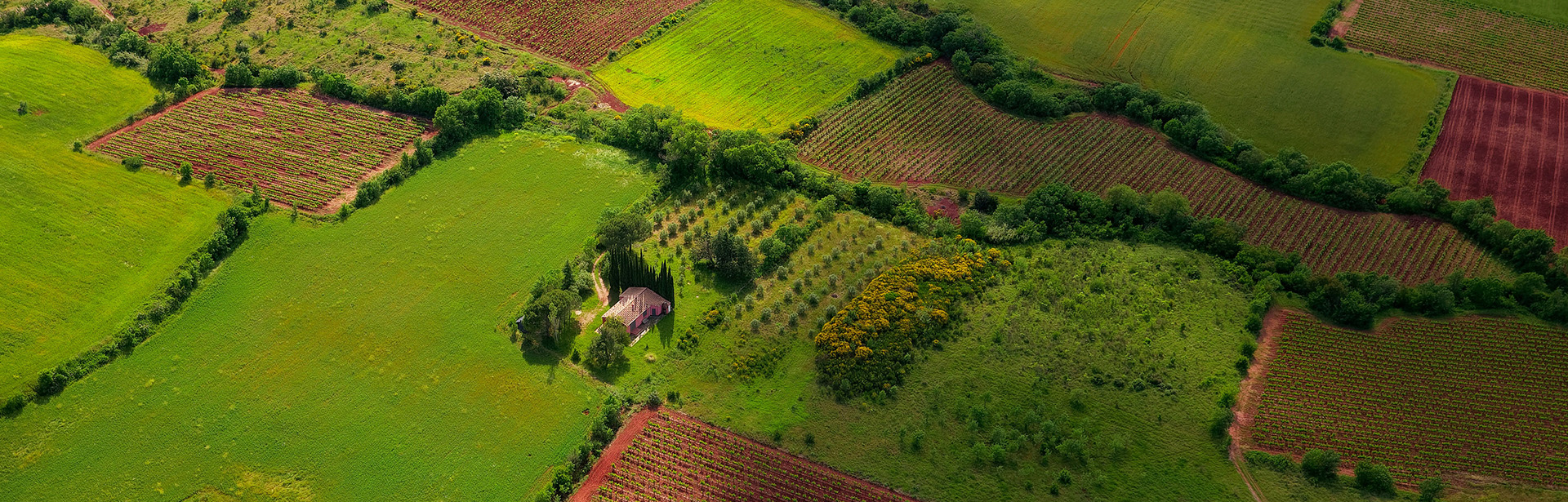
Brownfield promises speed; Greenfield promises creative freedom. Both can be misleading: After all, it often becomes clear too late whether the planned project is legally permissible, has the necessary infrastructure, and can be implemented without unforeseeable contamination issues. Public law issues must therefore be addressed before the investment decision is made—not just during the permitting process.
Check Early, Decide with Confidence
Due diligence is the structured and thorough examination of a company, piece of real estate, or other investment target prior to a significant business decision. The results provide a solid basis for decision-making. Risks are identified, and “red flags” are defined.
The traditional review of real estate often focuses on ownership, the land registry, and contractual risks. For a production site, this is not sufficient, as another key investment risk often lies in public law: A facility may exist but may not be approved for the planned use. A property may be marketed as commercial space without being ready for construction or sufficiently developed. And a contractual exemption for contaminated sites does not prevent the authorities from holding the new owner liable.
Public-law due diligence therefore translates the operational concept into land-related issues: Which processes, emissions, traffic flows, building heights, and expansion areas must be taken into account? Is shift work or nighttime operation planned? Are there any risks related to contaminated sites or archaeological sites?
Brownfield: Existing Properties as Both an Opportunity and a Risk
Industrial buildings often have versatile uses—provided that such uses are permitted. It is important to review building records, building permits, and approved uses, as well as subsequent renovations, changes in use, and fire safety plans. If the permit differs from the building’s actual use or operations, the supposed time savings associated with a brownfield site can be lost due to the need to obtain retroactive permits and comply with requirements—or even to defend against demolition orders. Significant renovations or a new type of production can trigger a new building code assessment.
Furthermore, brownfields are often embedded in structures that have evolved over many years. In some cases, they are located next to residential areas or a former plant manager’s residence. Noise, odors, air pollutants, light, and additional truck traffic can restrict operations.
Of particular concern are the specially protected nighttime hours, during which additional noise could lead to the cessation of nighttime operations or the cancellation of the entire expansion project. Due diligence should therefore not only reflect current operations but also examine the planned target scenario—including growth projections and cumulative historical impacts—so that problems are identified before a neighbor files a lawsuit.


Justus Neuwirth is an attorney at Schlatter.law in Heidelberg. Specializing in public construction law, he represents municipalities, real estate developers, and private individuals both in and out of court. He also advises and represents clients on matters of commercial lease law.
Rezoned Areas and Industrial Brownfields: When Contaminated Sites Derail a Project
Past manufacturing activities, tank farms, fire extinguishing agents, backfilling, or the effects of war can contaminate soil and groundwater. The contaminated sites registry provides important information but does not serve as a guarantee of contamination. Depending on the risk posed by the site’s history and past uses, expert reports and technical investigations may be more cost-effective than a construction freeze accompanied by a remediation order.
This is because, under the Federal Soil Protection Act, the current property owner can also be held liable for remediation even if they did not cause the contamination themselves. While contractual indemnities may help distribute the costs, they do nothing to alleviate the delay.
Greenfield: Planning Law Is Not a Marketing Term
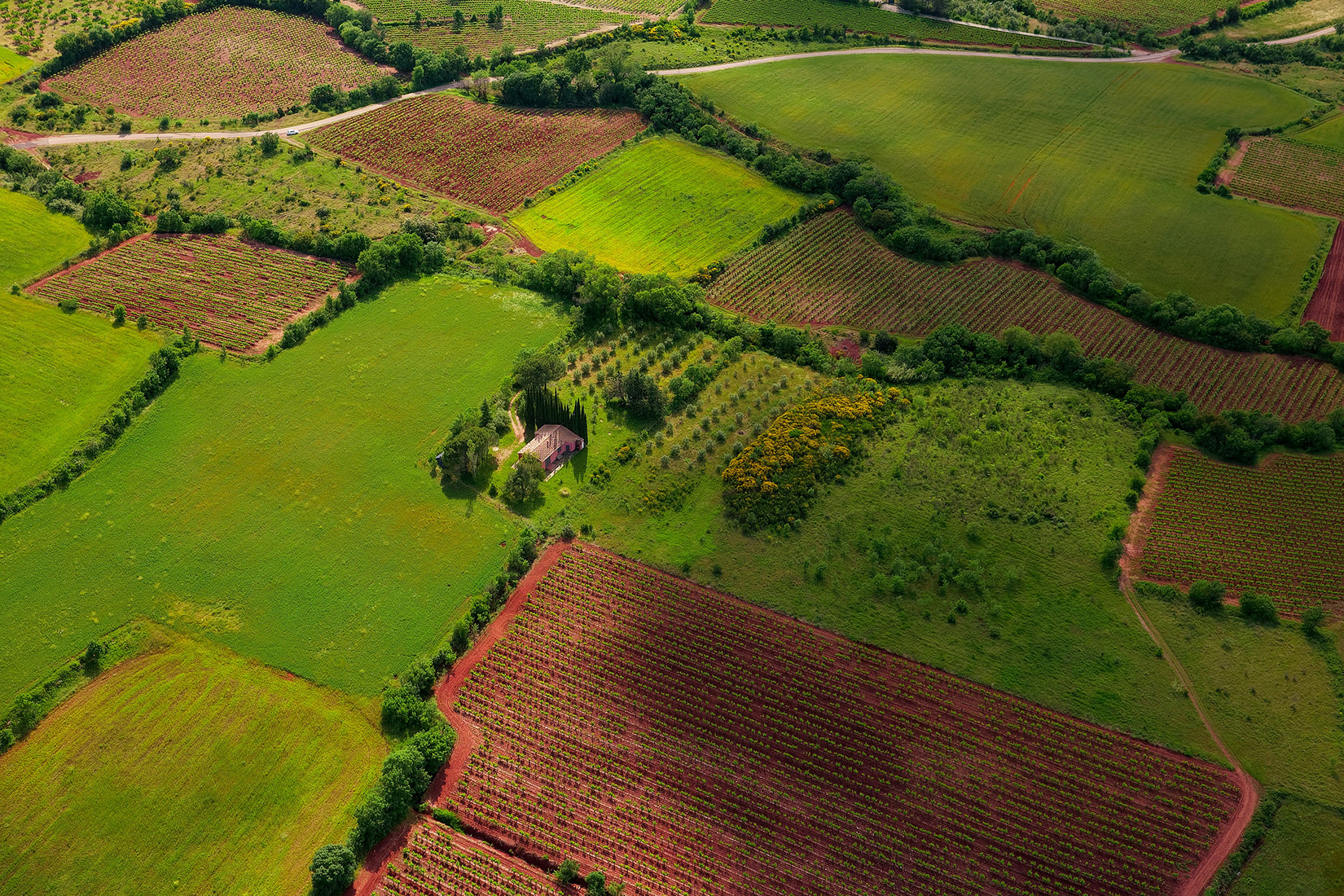
With greenfield sites, there are no existing structures—but there is still legal risk. The designation “industrial site” in a property brochure does not confer building rights; legal permissibility generally arises only from a zoning plan. This plan must be in effect or be validly adopted—this should be thoroughly reviewed. The adoption and amendment of the plan are the responsibility of the municipality. There is no entitlement to the desired plan. Even with a project-specific zoning plan—which aims to incorporate the project developer’s interests to a greater extent—there is a risk of additional liability due to the obligation associated with the plan to implement the project within a set timeframe. This requires a careful balancing of interests, which in turn demands a broad knowledge base.
Out into the countryside—out into nature?
Nature conservation, species protection, water protection, and flood control can influence the site selection decision long before the building permit application is filed. Urban land-use planning typically requires an environmental assessment with an environmental report. However, even existing industrial projects can trigger an environmental impact assessment—depending on the type of facility, its size, and applicable thresholds. Here, too, the initially anticipated time savings may be lost.
In both cases, there is a risk that the construction site may also serve as a habitat for protected animals and plants; relocating them is expensive and usually causes significant delays to projects.
Those who recognize early on that environmental concerns are involved can either decide against the investment or work with the authorities to implement the necessary measures in a targeted manner, ensuring that both environmental impacts and project delays are minimized.
Six Questions to Ask Before Making an Investment Decision
1. Is the intended use—including nighttime and shift operations—approved or eligible for approval?
2. Is the existing building stock—including renovations—or the new construction permitted under building codes?
3. What risks exist regarding soil, historic preservation, water, and nature conservation?
4. Will the intended operations, logistics, or expansion result in the permissible emission limits being exceeded?
5. Is the utility infrastructure legally secured, technically adequate, and fully priced?
6. Which public-law investigation results constitute a condition of purchase, entail a price adjustment, or require a right of withdrawal?
From the Due Diligence Report to a Secure Transaction
Good due diligence does not end with a list of deficiencies. Every material risk requires a corresponding transaction consequence: purchase price adjustment, indemnification with valuable collateral, remediation or development obligations, or the right to withdraw if a building permit is not granted. Depending on the project, a positive preliminary building permit decision, a valid zoning plan, or even a final building permit may become a condition precedent. For uncontrollable risks, a right of withdrawal is required, combined with a long-stop date.
If the project property is already owned, no contract needs to be amended; however, the project timeline must be reviewed, or the investment decision reconsidered, before permits are obtained and contractors are hired. At the same time, it is advisable to hold structured, interdisciplinary discussions with the relevant authorities—prepared by planners, environmental assessors, and specialized legal counsel. Informal signals are valuable and can foster mutual understanding. Understanding the other party’s situation makes it possible to find solutions even for complex problems.
Early Due Diligence Builds Bargaining Power
Public-law due diligence is not merely an add-on to contract review. It determines whether the site supports the business model. In brownfield projects, it protects against properties that are only seemingly approved, contaminated sites, and conflicts over land use; in greenfield projects, it guards against a lack of planning permits, unclear development plans, and underestimated environmental procedures. Whoever identifies these risks before the purchase agreement is signed or the investment decision is made gains three things: a realistic timeline, a reliable cost basis, and the ability to assign risks to those who can manage them. The best location, therefore, is not the one with the fewest red flags—but the one where the red flags are known, assessed, and contractually addressed before the deal is signed.