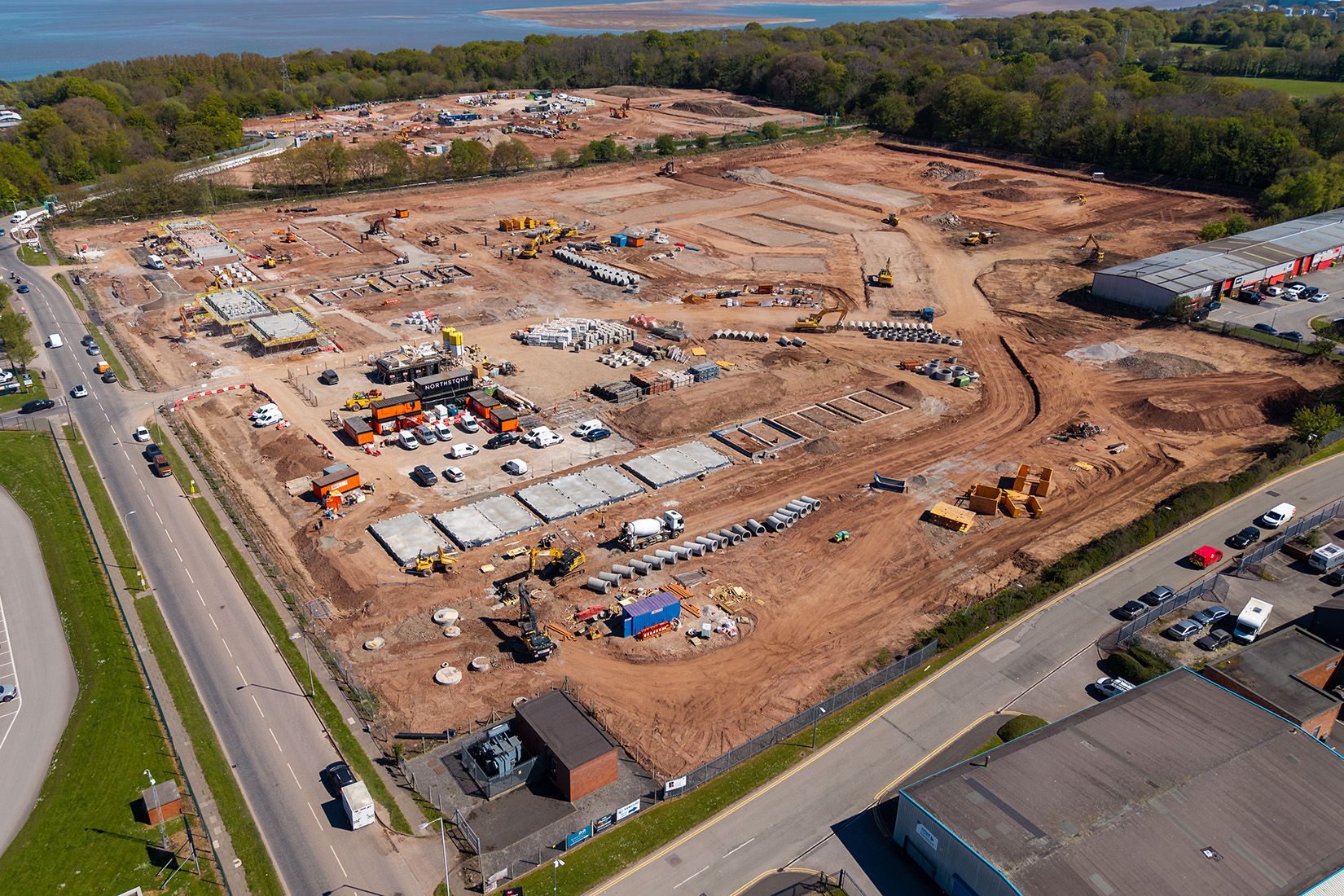
When companies want to create new production capacity, it is often assumed that expanding an existing site is generally more sustainable than building a new facility on a greenfield site. The arguments seem obvious: existing infrastructure can continue to be used, additional land sealing can be avoided, and existing utility connections can be integrated and reused.
But the reality is more complex. The most sustainable solution does not depend on the type of site, but rather on a consideration of the entire life cycle of a production site.
Sustainability Encompasses More Than Just CO₂
As ESG requirements increase, companies must give equal consideration to environmental, economic, and social factors. In addition to energy consumption and emissions, factors such as resource use, working conditions, mobility, security of supply, and long-term site development play an important role.
A sustainable location decision must therefore take the entire value chain into account: production, logistics, buildings, energy supply, and future development opportunities.
Brownfield: Sustainable, but Not Always Optimal
Existing production sites offer numerous advantages. Infrastructure, transportation links, and utility networks are already in place. This allows for savings in resources and investments.
At the same time, many plants have grown over decades and are now characterized by complex material flows, limited expansion possibilities, or energy-inefficient buildings. Necessary adjustments can result in high renovation costs and limit long-term efficiency potential.
Brownfield development is therefore not automatically the most sustainable solution if existing structures make it difficult to meet future requirements in the long term.
Greenfield: An Opportunity for an Integrated, Holistic Approach
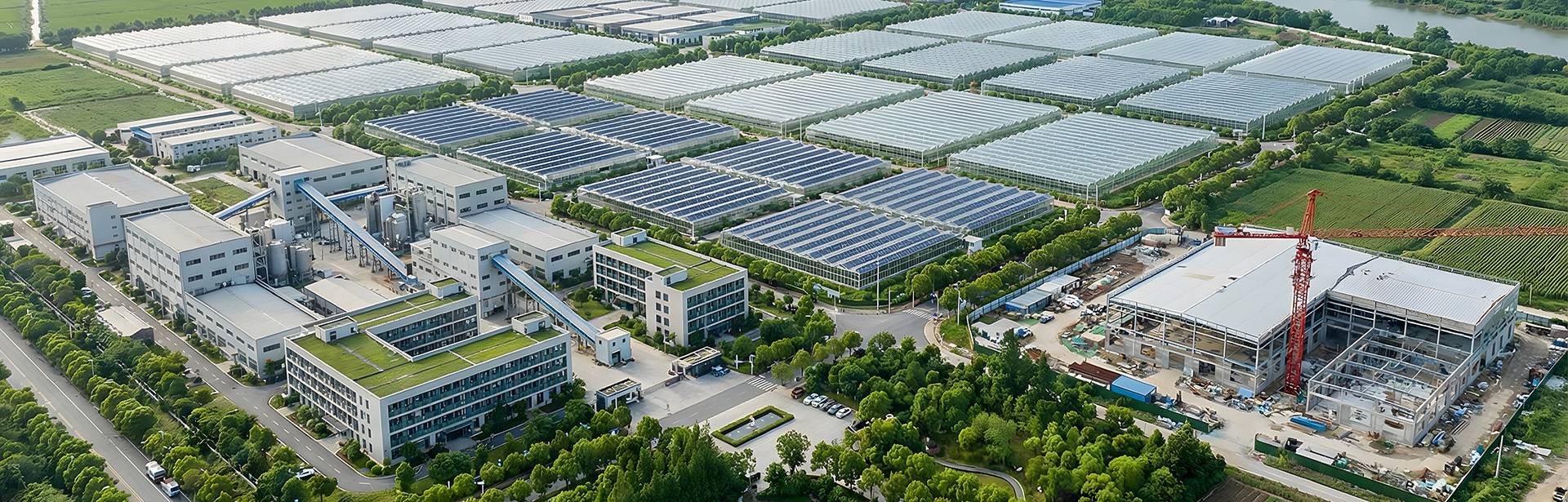
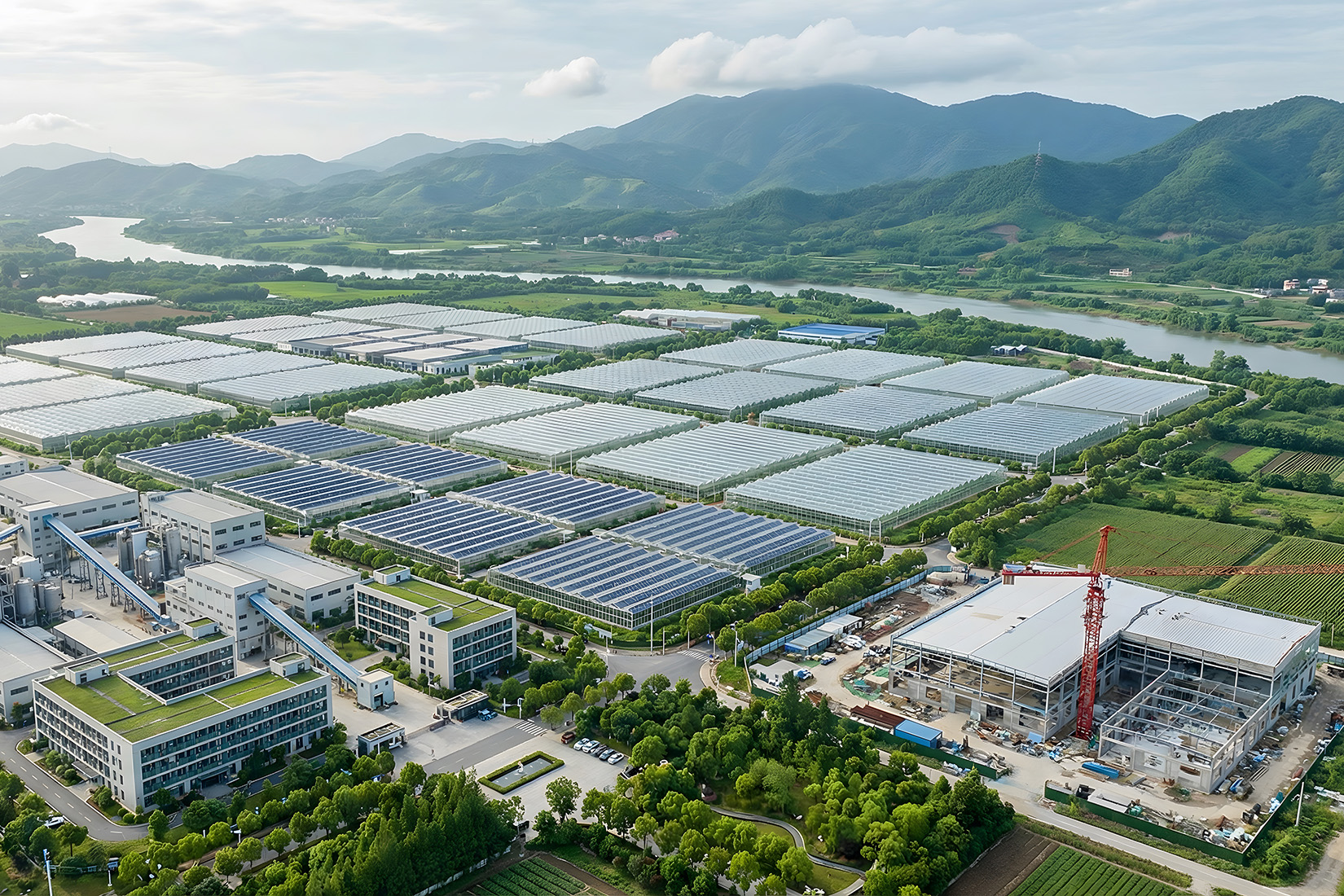
A greenfield site makes it possible to optimally coordinate production, logistics, energy supply, and building design from the very beginning. Modern energy concepts—including photovoltaics, heat pumps, energy storage systems, and smart energy management—can be integrated, as can efficient material and personnel flows.
The higher resource costs during the construction phase can thus be partially or fully offset over the site’s decades-long service life. What matters most is the long-term overall balance.
Real-World Examples from Industry
Experience from industrial projects shows that sustainable solutions rarely follow a standardized pattern. For example, io supported B. Braun with the master planning for the expansion of manufacturing capacities in the life sciences sector. In addition to efficiency and production reliability, the focus here was particularly on long-term scalability and resource efficiency.
Even with new production and logistics sites, it has repeatedly become clear that the best results are achieved when production processes, energy supply, logistics, and building design are developed in tandem.

The Right Approach: Life Cycle Over Prejudice
The key insight is this: Neither brownfield nor greenfield is, in and of itself, the more sustainable solution. Sustainability results from a thorough assessment across the entire life cycle, as well as from integrated planning that gives equal consideration to environmental, economic, and social goals.
This is precisely io’s approach. By integrating factory planning, logistics, architecture, energy supply, and sustainability assessments, we create a robust foundation for decision-making regarding future-proof production sites.