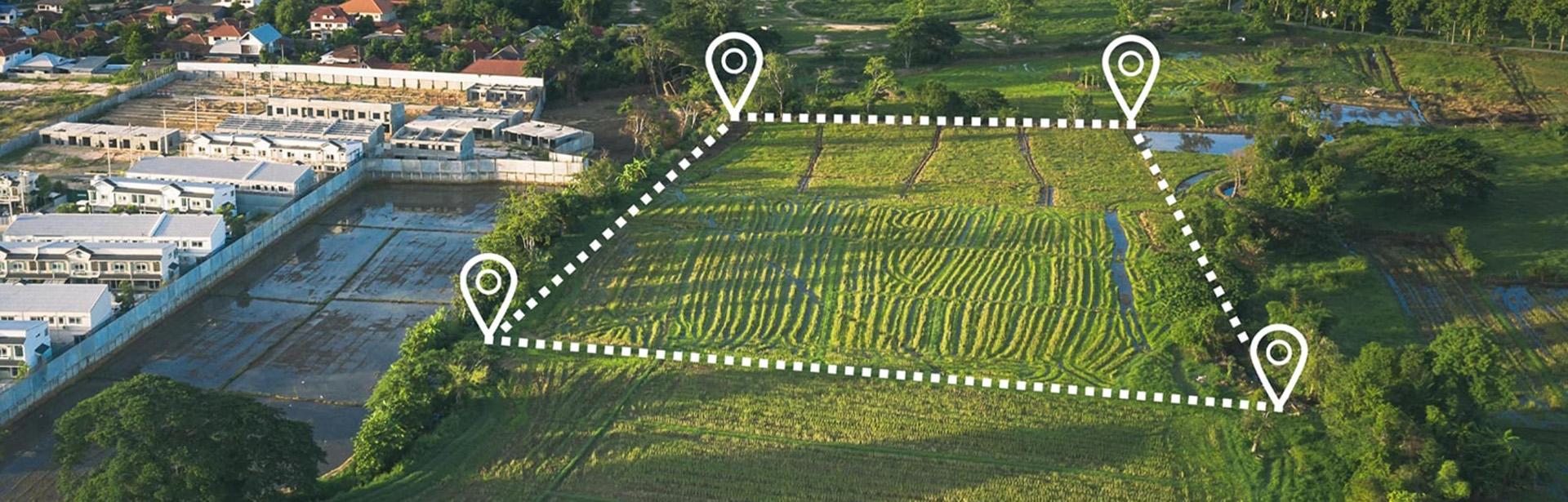
Greenfield projects are often considered the pinnacle of site development. What makes them so appealing?
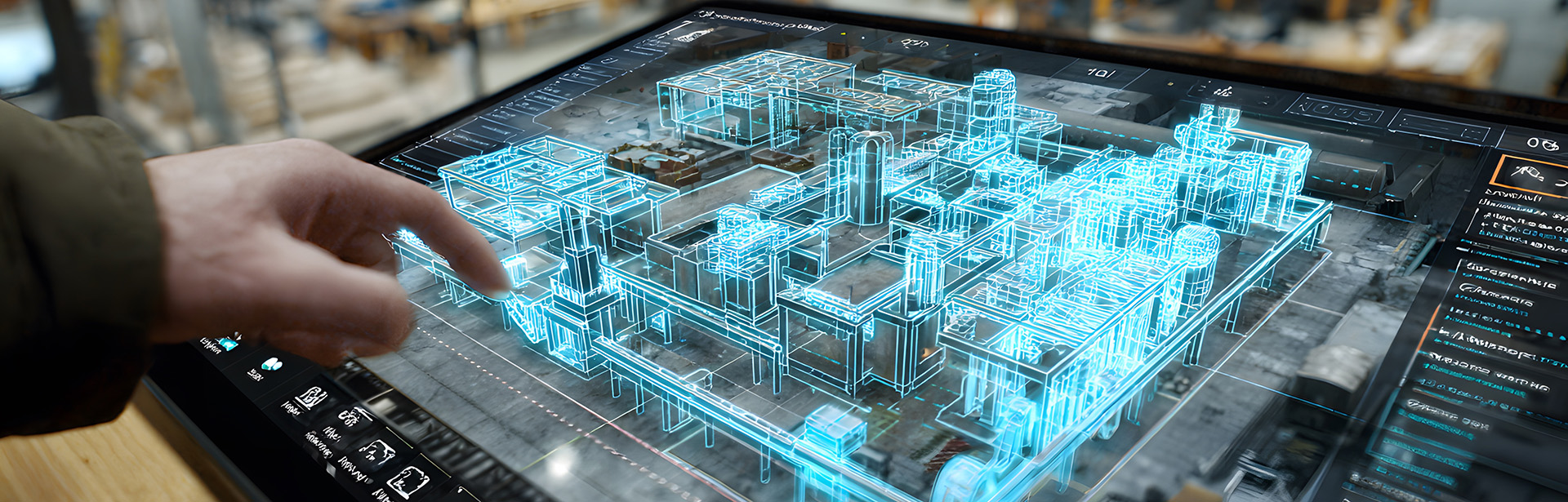
Greenfield projects offer maximum freedom in planning and design. Here, the layout, material flow, level of automation, and scalability can be reimagined and implemented from the ground up, without being constrained by existing structures. This creates the opportunity to consistently align a site with both current and future production and logistics requirements.
Why, then, is the decision to build a new facility still so complex?
Modern production sites are highly interconnected systems. Production, logistics, IT, buildings, and building services all influence one another. A greenfield project is therefore not automatically the best solution. The key factors are how well the new facility is integrated into the company’s long-term strategy and how high the
Added value in relation to the cost of design flexibility.
What role does holistic factory planning play in a greenfield project?
A central role. In a greenfield project, material flows can be completely reimagined. They shape the structure of the entire site and influence the layout of production areas, storage spaces, and traffic routes. Therefore, integrated factory planning should be an integral part of the feasibility and conceptual planning phases—all the way through to implementation—starting in the early planning stages.
When are the fundamental decisions made?
As early as the conceptual planning phase. During this phase, requirements, scenarios, volume trends, and production strategies—among other factors—are examined and evaluated. This is particularly crucial in greenfield projects to make targeted use of the available flexibility.


What conflicting objectives typically arise in new construction projects?
There is often a trade-off between investment costs, construction time, and long-term flexibility. Greenfield projects usually require higher initial investments but often offer the best conditions for future automation, growth, and adaptability.
Are greenfield projects generally the better choice?
No. The decision between greenfield and brownfield projects can rarely be made across the board. In many cases, hybrid solutions emerge that combine the advantages of existing sites with new, optimized structures, thereby aligning economic and strategic goals.
What does a greenfield project mean for companies facing a decision about where to locate?
First and foremost, it is crucial to have a clear understanding of the future requirements for the factory and the existing growth projections. Transparency regarding value streams, potential site and layout options, investment costs, and the weighing of opportunities and risks form the basis for a well-informed decision. Greenfield projects offer the greatest flexibility in designing a site. However, they only realize their full potential through structured planning that takes all relevant requirements into account early on and translates them into a sustainable overall vision.

Conclusion
Greenfield projects offer maximum design flexibility. However, long-term success is achieved only through the integrated collaboration of various trades and well-founded site development based on experience. Day in and day out, io plans and designs the factories of tomorrow. Large greenfield projects are not only supported a few times in the company’s history as part of the General Planning // plus service, but on an ongoing basis for clients across a wide range of industries in diverse projects worldwide.