New Construction or Existing Property? A Question of Strategy
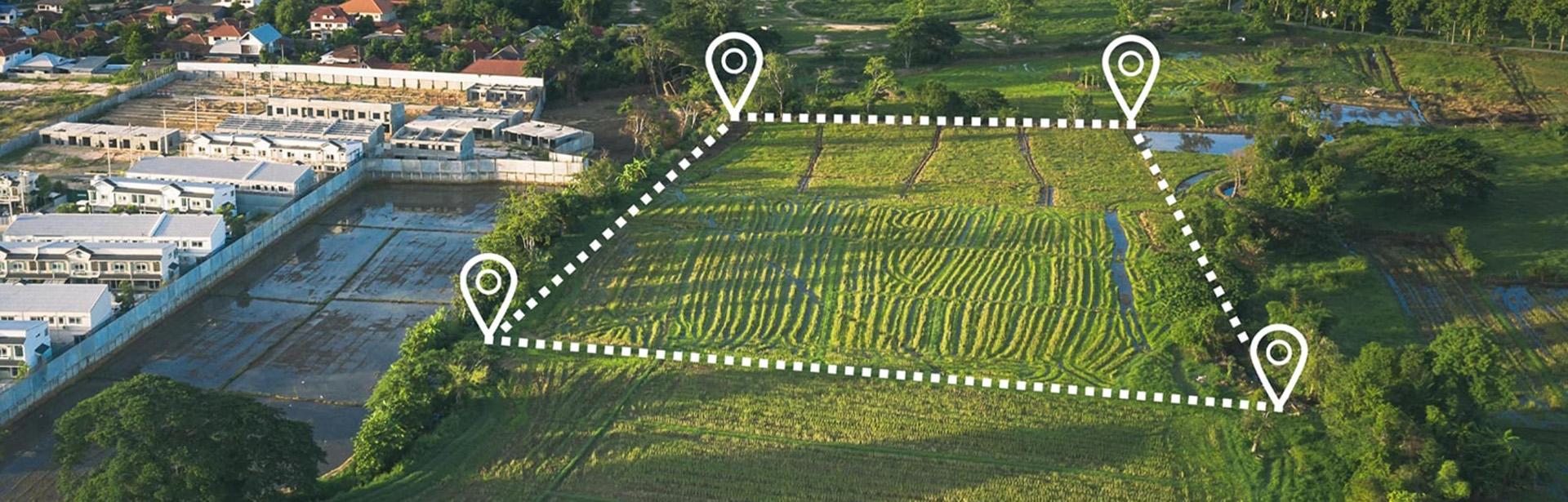
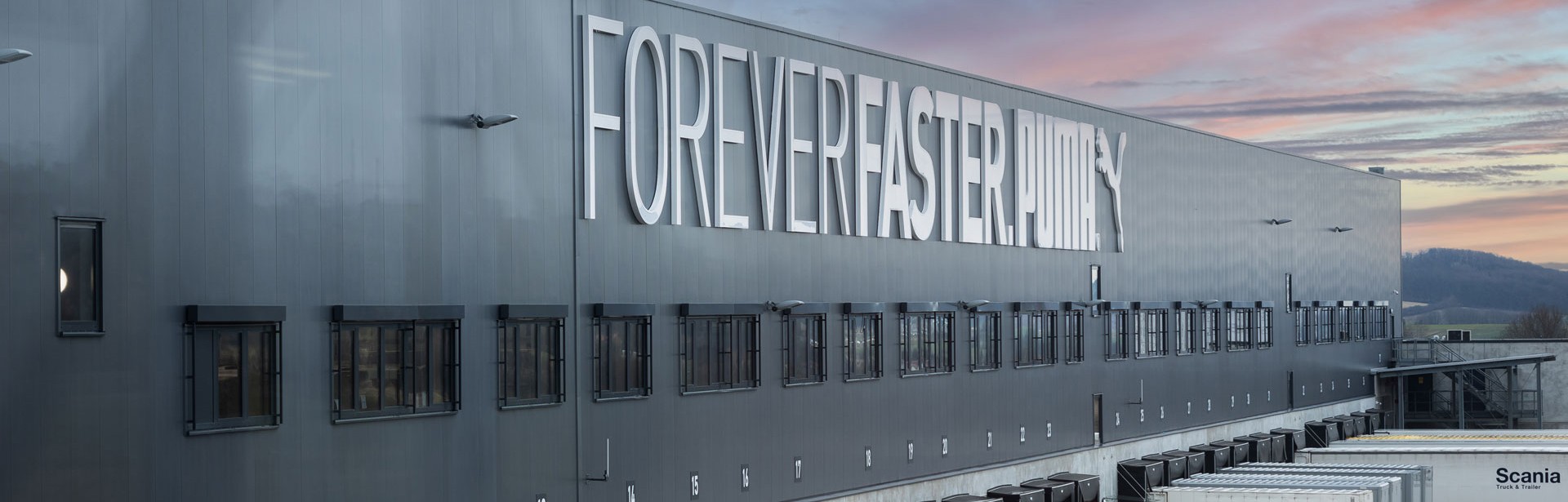
A greenfield project refers to the construction of a new production facility on an undeveloped site. Companies essentially start with a “blank slate.” Buildings, material flows, automation, energy supply, and IT architecture can be optimally coordinated from the very beginning.
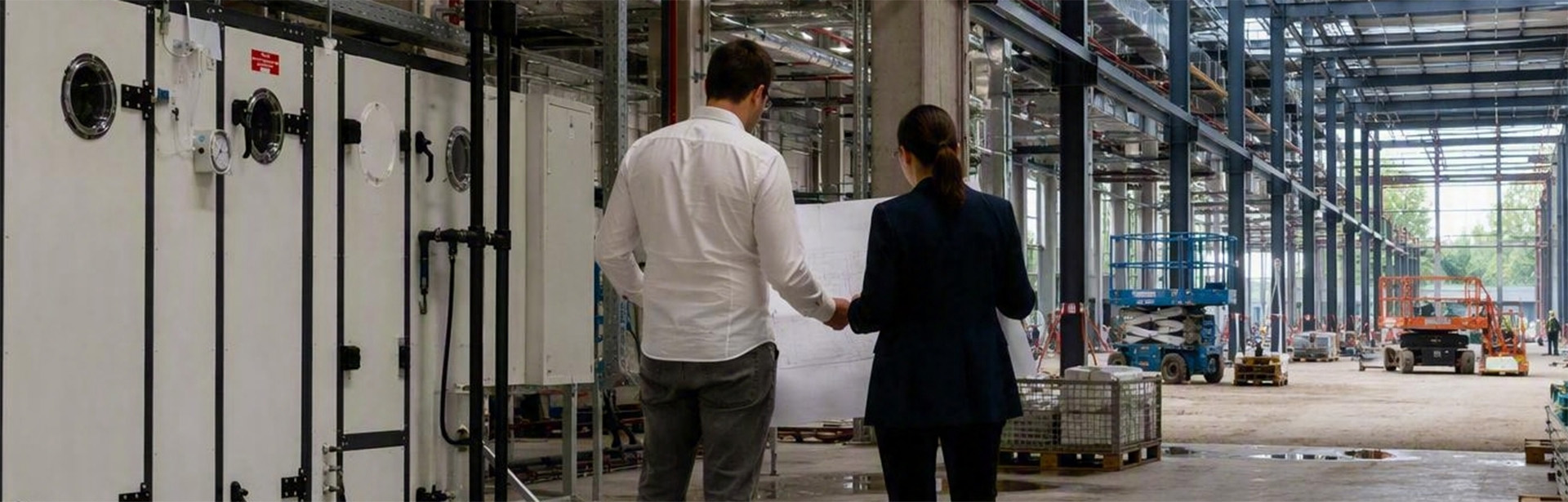
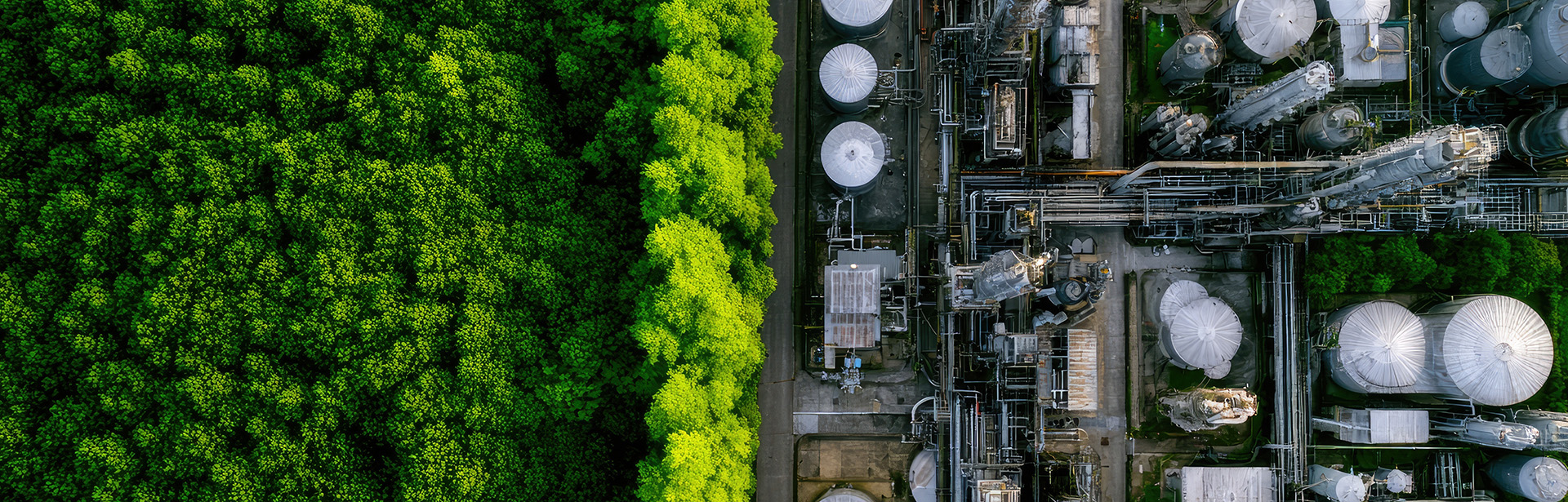
Brownfield projects, on the other hand, involve the expansion, modernization, or repurposing of existing site structures. Existing buildings, infrastructure, and utility networks continue to be used and integrated into new concepts.
Both approaches pursue different strategic goals: Greenfield focuses on long-term optimization, scalability, and future-proofing. Brownfield prioritizes speed, resource efficiency, and lower capital requirements. These are the key evaluation criteria:
1. Investment Requirements: Higher CAPEX versus Lower Initial Costs
The most obvious difference lies in the investment costs. Greenfield projects require the acquisition or development of new land, the construction of a complete infrastructure, and the installation of all production and logistics systems. As a result, the initial capital requirements are often significantly higher than those of comparable brownfield projects.
Brownfield sites, on the other hand, benefit from existing buildings, utility connections, and transportation routes. This significantly reduces the initial investment and often improves the short-term return on investment.
For CFOs, this represents a classic trade-off between short-term capital commitment and long-term value creation potential.
2. Time-to-Market: Speed as a Competitive Factor
In dynamic markets, speed is often the deciding factor in the success of an investment project. Brownfield projects can often be implemented much more quickly because they utilize existing infrastructure and many of the necessary foundations are already in place. As a result, production capacity can often be expanded within a year.
Greenfield projects, on the other hand, require additional time for site development, permits, construction, and commissioning. In return, they result in a facility that is designed from the outset to meet future requirements.
Particularly in growth industries such as battery technology, electric mobility, or electronics manufacturing, the time to production start-up can be a decisive selection criterion.
3. Productivity and Operating Costs
While brownfield projects often score points in terms of investment costs, greenfield solutions frequently offer advantages during subsequent operations. A newly planned facility enables optimized material and information flows, higher levels of automation, lower energy consumption, better space efficiency, and lower maintenance costs.
Existing plants, on the other hand, often face structural limitations. Column grids, hall heights, utility supply, or established layout structures can restrict the optimal design of production and logistics processes.
4. Flexibility and Scalability
Those who invest today are ideally planning for the next 20 to 30 years. Greenfield projects offer the opportunity to factor in future growth as early as the planning phase. Expansion areas, modular production concepts, and scalable logistics systems can be integrated from the very beginning.
Brownfield projects, on the other hand, often have to adapt to existing site boundaries. Additional capacity frequently requires complex renovations or external expansion areas later on.
Digitalization Is Changing the Rules of the Game
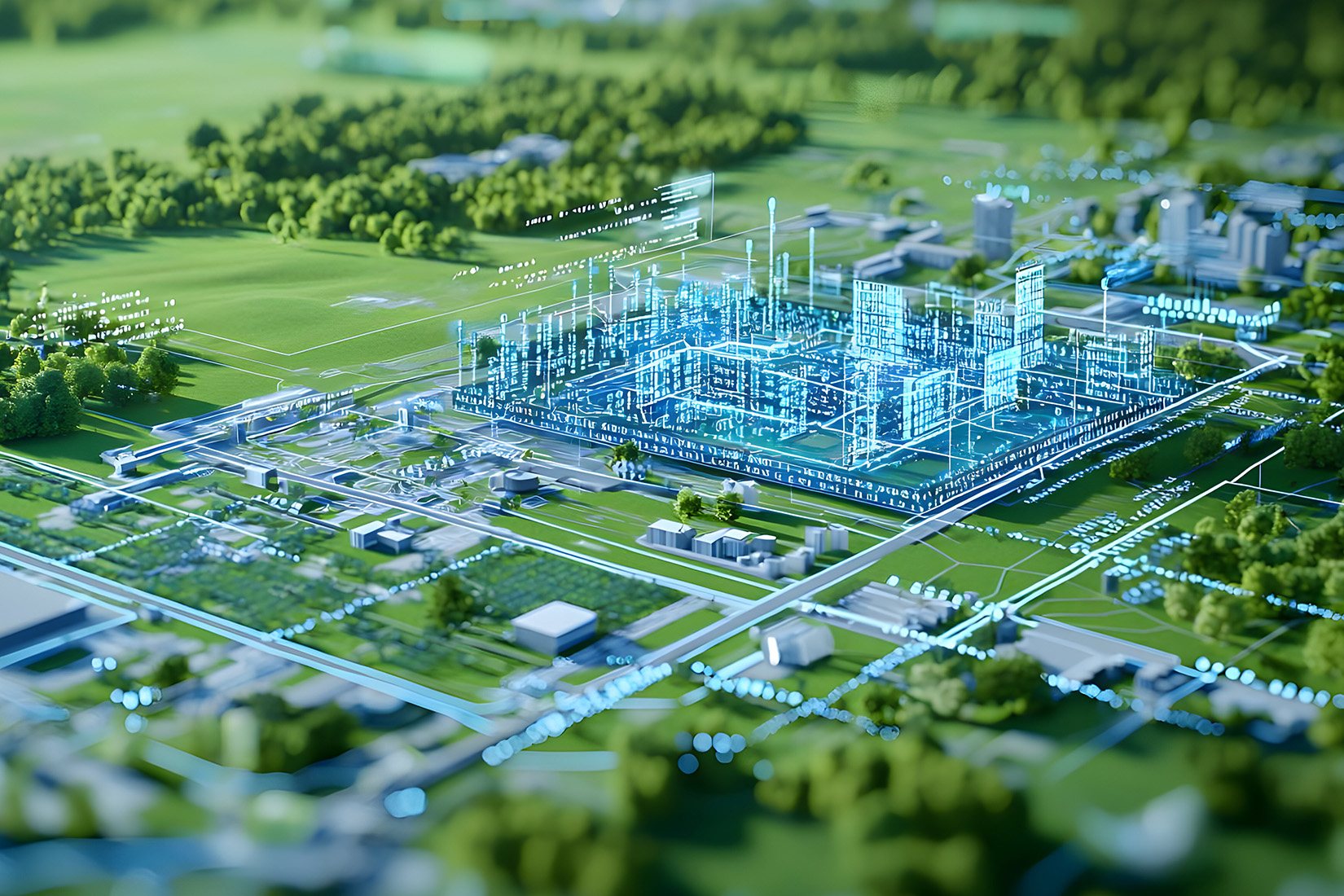
Just a few years ago, the fully digitized smart factory was considered almost exclusively a greenfield project. Today, modern tools and technologies such as IoT sensors, AI-supported production control, advanced analytics, and automated material flow systems enable significant performance gains even in existing plants, without the need to completely rebuild them.
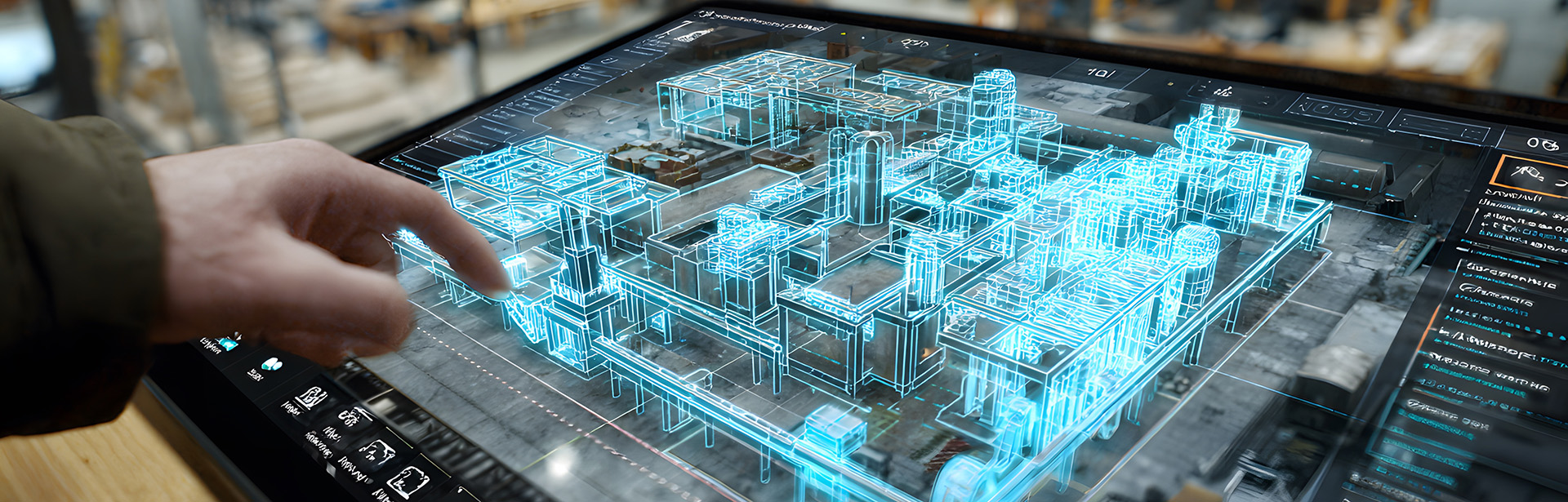
At the same time, greenfield projects benefit from digital planning tools that simulate layout variations, identify risks early on, and support investment decisions. However, both options also carry hidden risks:
1. Greenfield: Planning and Permitting Risks
New sites are often associated with lengthy approval processes. Environmental assessments, infrastructure connections, and coordination with local authorities can significantly impact schedules. Added to this are risks stemming from rising construction costs, a shortage of skilled workers, supply bottlenecks, and scope creep during the planning phase.
2. Brownfield: The Challenge of Existing Sites
With existing sites, the greatest risks are often hidden. Typical challenges include unknown structural conditions, contaminated sites and soil contamination, outdated utility systems, missing documentation, or production interruptions during renovation. Especially when production is ongoing, integrating new equipment can create significant organizational complexity.

Conclusion
The Future Belongs to Hybrid Strategies
There is no one-size-fits-all answer to the question “Greenfield or Brownfield?”
When time-to-market, capital efficiency, and the use of existing resources are the top priorities, a brownfield approach often offers clear advantages. On the other hand, when the focus is on maximum performance, long-term scalability, and the consistent implementation of a future-oriented strategy, a greenfield project may be the better choice.
The key is a holistic assessment of investment, operating costs, growth prospects, risks, sustainability goals, and technological requirements. Companies that analyze these factors early on as part of an integrated site and factory planning process lay the foundation for a production strategy that not only meets current needs but also stands the test of time for the coming decades.
In our experience, the future belongs to hybrid strategies—not least in light of the growing importance of ESG criteria. You can find more information on these topics on the following pages.