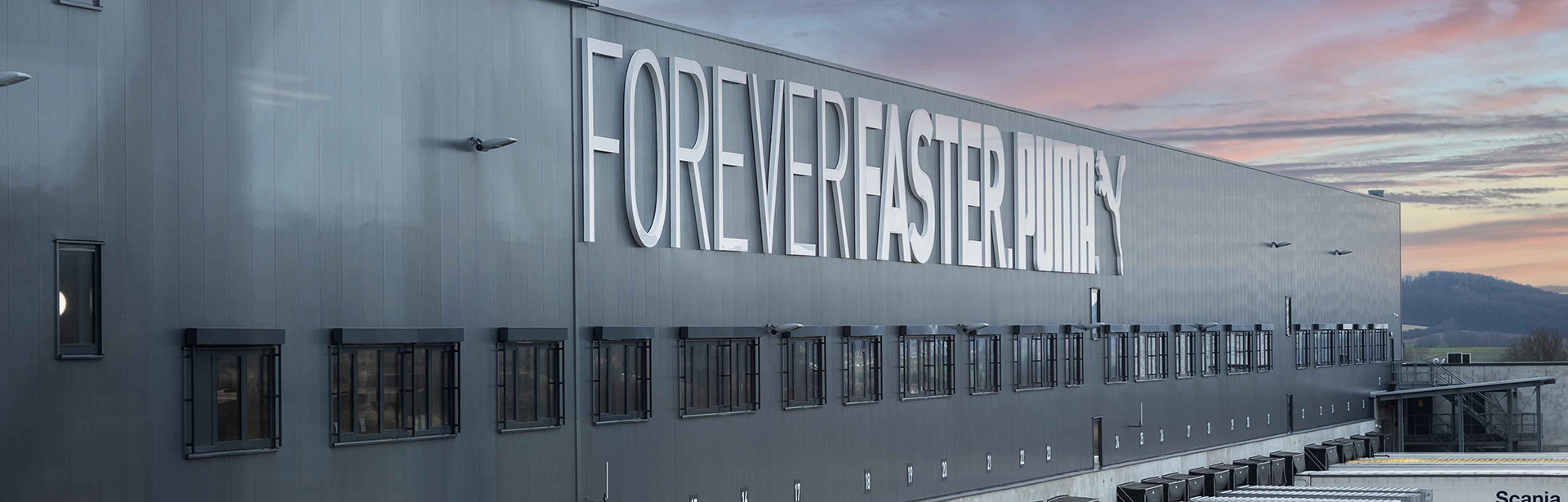
FOREVER FASTER.PUMA
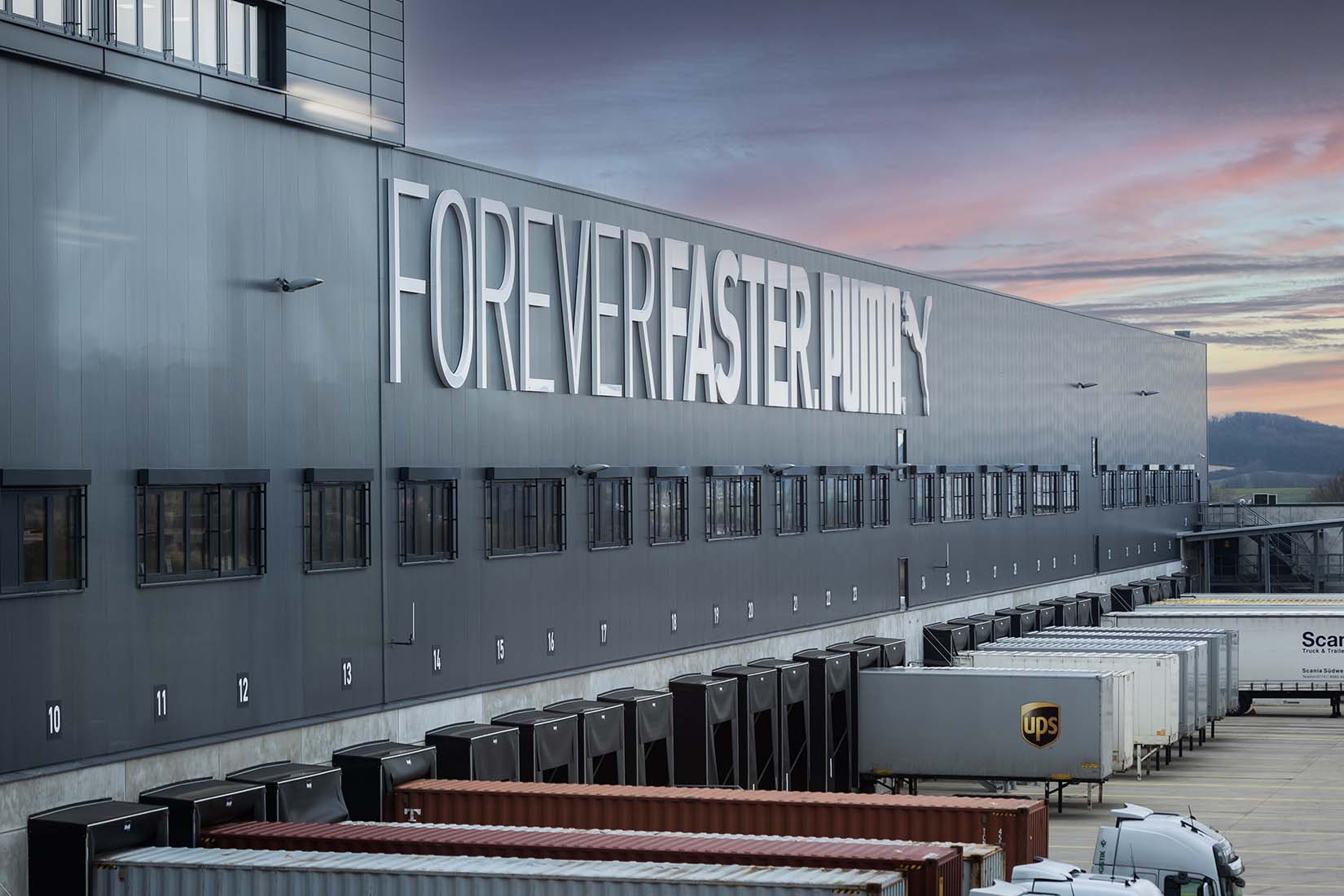
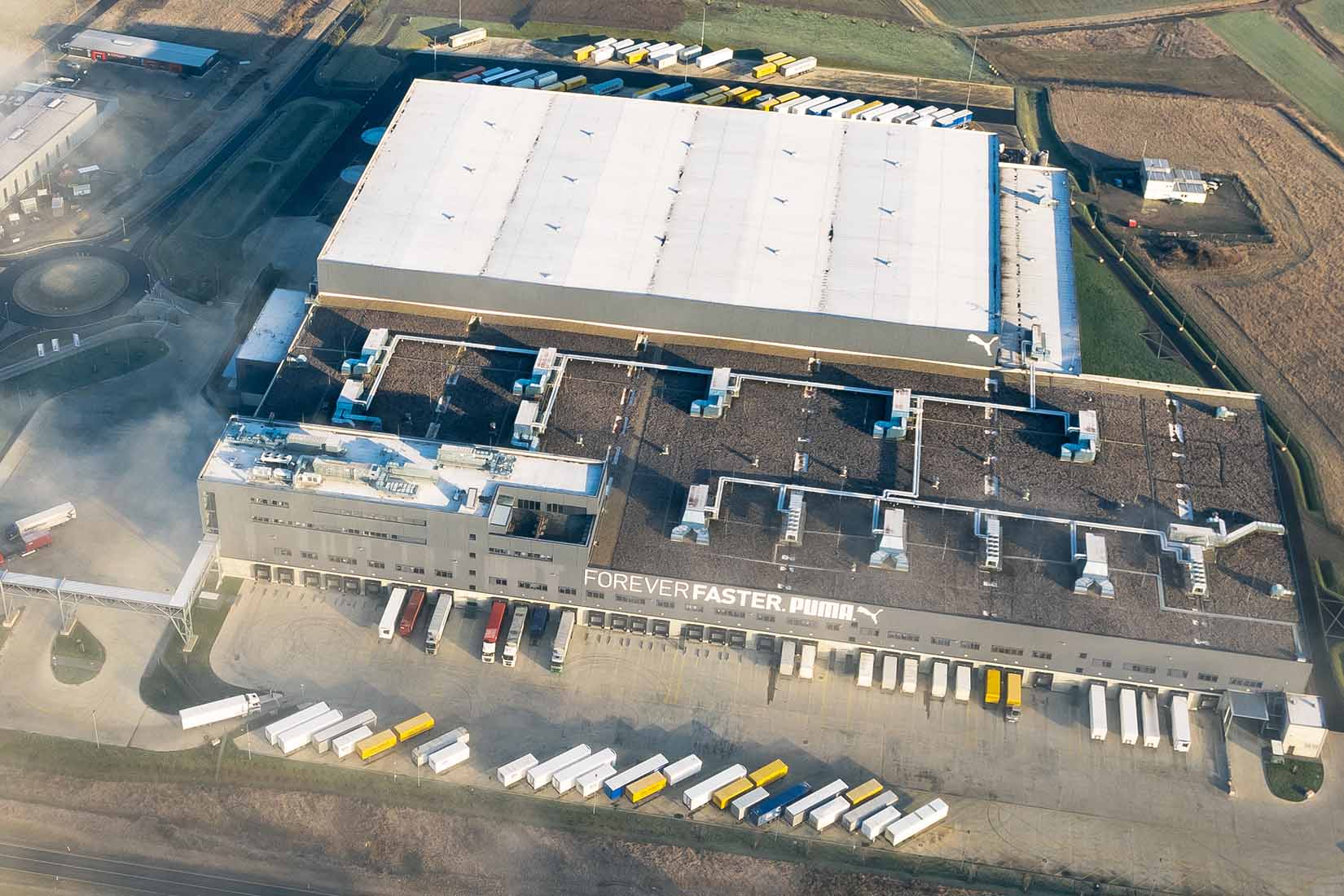
Pumas make big leaps. Even the one from tranquil Franconia—the global player from Herzogenaurach. PUMA is the third-largest sporting goods manufacturer in the world. Its logo adorns the jerseys of legendary teams such as Manchester City, AC Milan, and Borussia Dortmund, as well as those of top athletes like Neymar, Usain Bolt, and Tatjana Pinto—from Formula 1 drivers and professional golfers to world chess champion Magnus Carlsen. PUMA itself recently made a major move right near its headquarters, establishing one of Europe’s most modern fashion fulfillment centers in Geiselwind.
Superlatives
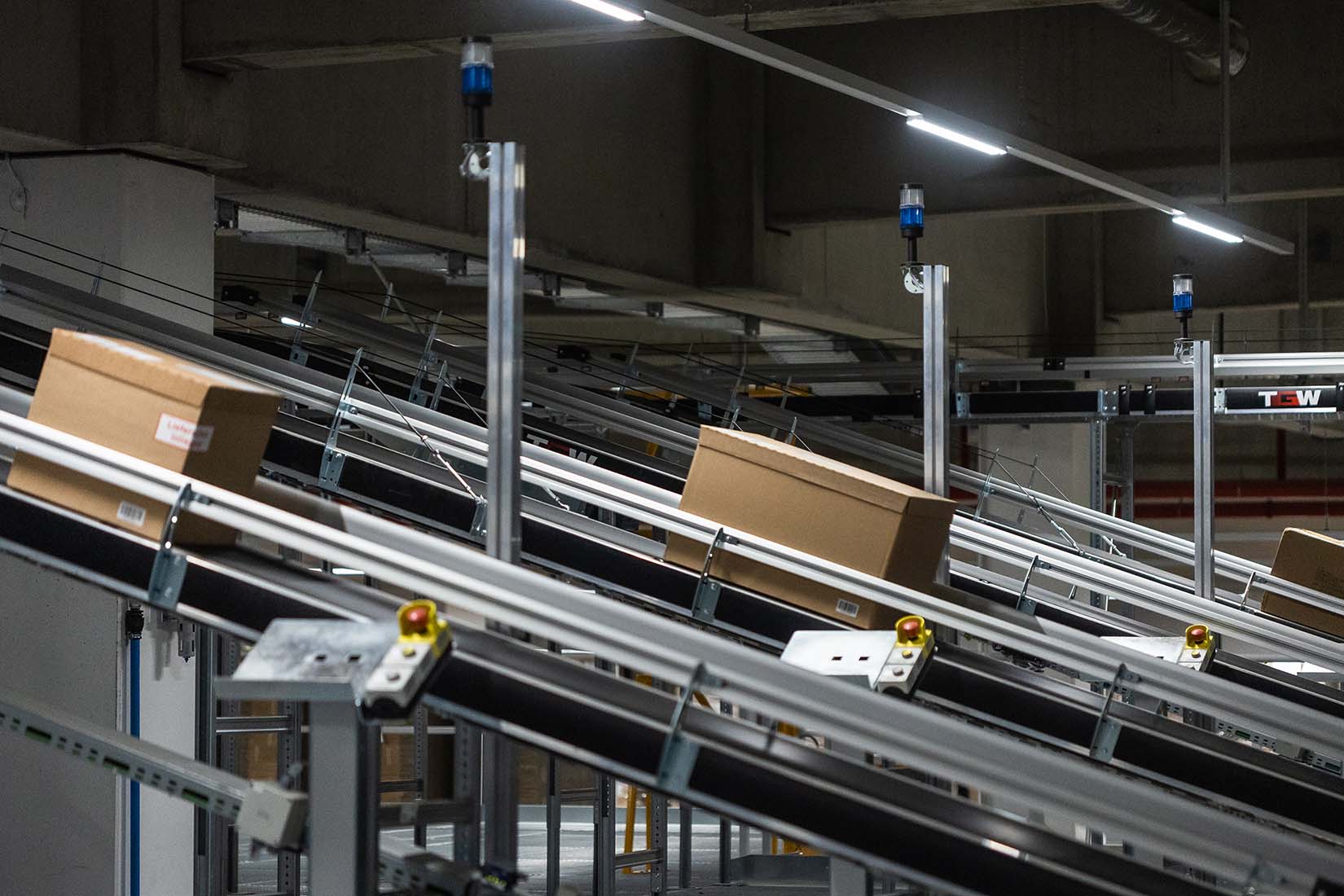
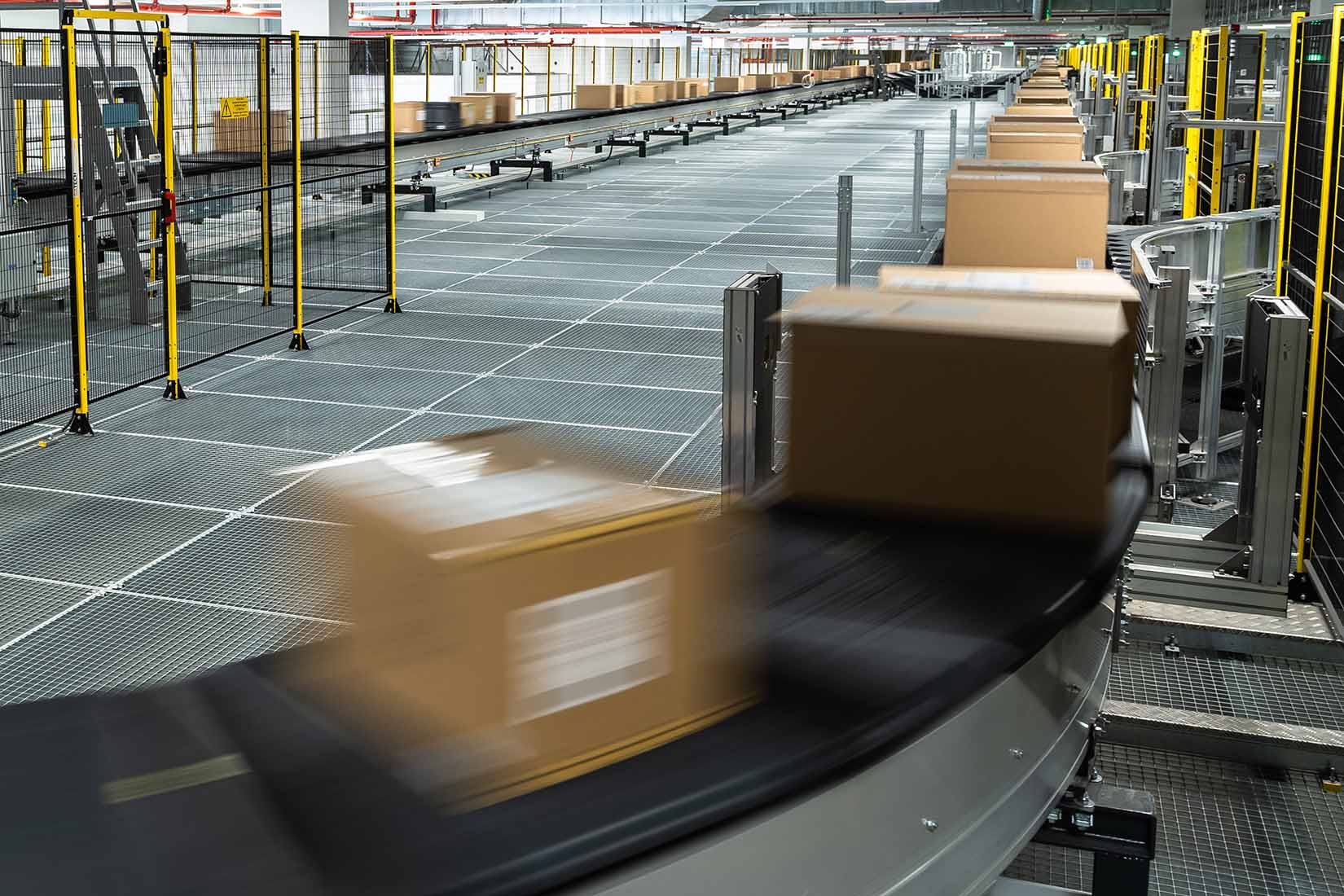
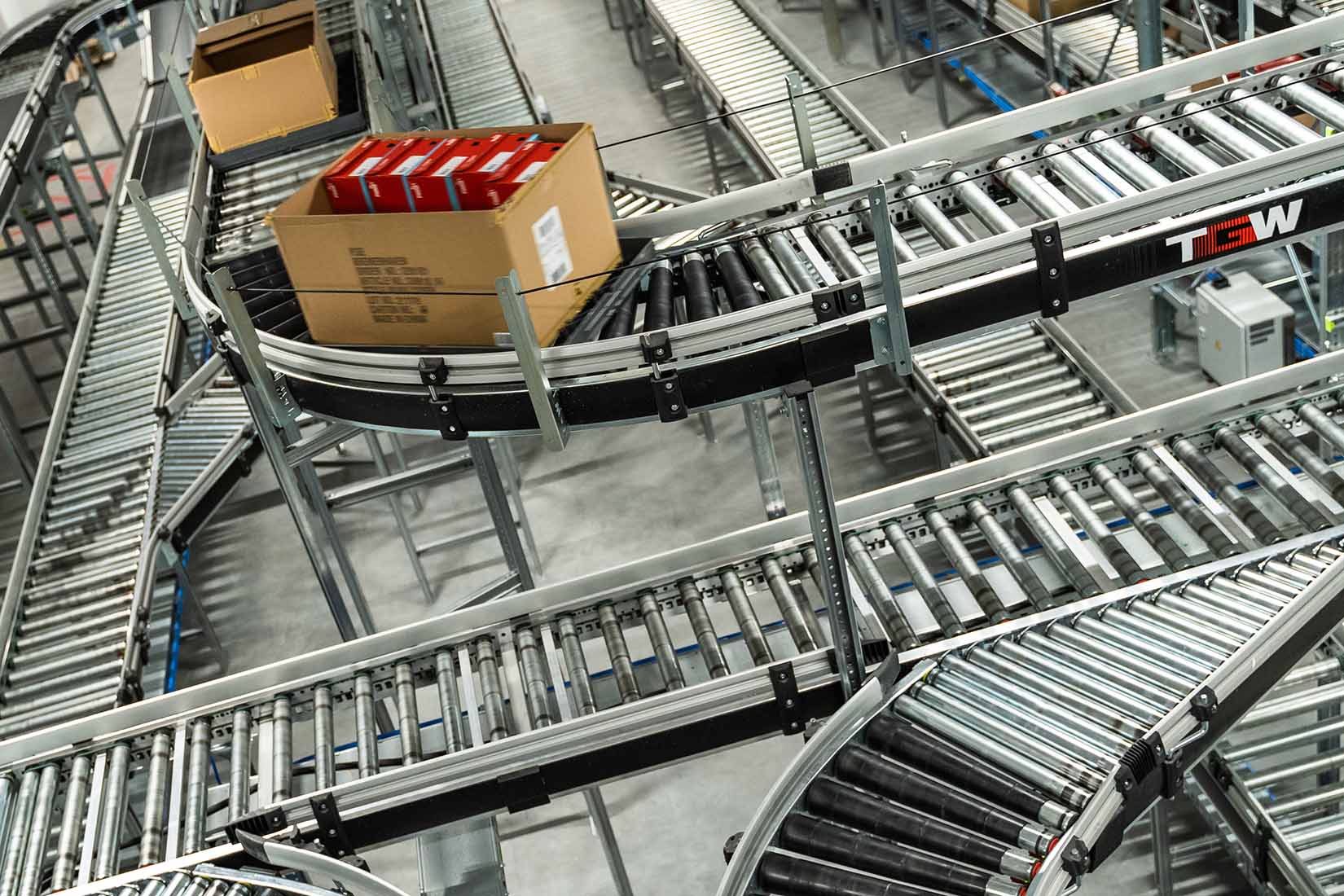
With its fully automated multi-channel warehouse, PUMA is rising to the growing challenges of its industry. Both small and large orders need to be processed simultaneously and delivered faster and faster. “The facility is highly complex. PUMA uses it to supply the entire German-speaking region, the Benelux countries, and other European nations,” explains Tobias Kramer, Business Unit Manager for Logistics at io. As project leader, he oversaw this mega-project together with his team members. “The racks can hold approximately 710,000 packages. The conveyor system is about 22 kilometers long. Every year, many millions of items are shipped to customers from here.” A distinctive feature is the highly automated goods receipt and shipping process. Shipment preparation takes place at high-performance picking stations. Nothing is done manually. The 70 employees per shift control and monitor the automated warehouse and conveyor systems as well as the loading of pallets onto trucks.
The multi-channel warehouse also proves its efficiency in both wholesale and retail—even when large order volumes require individual processing for each client prior to delivery as part of so-called value-added services. And when the going gets tough, individual work areas can be reconfigured in no time. This ensures operational capacity even on the busiest days—so bring on Black Friday.
A massive project with an ambitious sustainability concept
More than 500,000 metric tons of earth were moved to construct the 63,000-square-meter complex. In accordance with the LEED Gold standard, the project relied on sustainable materials, renewable energy systems, and water and heat recovery systems. It is operated in a carbon-neutral manner. “That was important to the client,” Kramer continues.
io supported this flagship project from the very beginning: from initial analyses through the multi-stage concept phase all the way to implementation in collaboration with project partners. io contributed its interdisciplinary expertise in project management, logistics planning, start-up management, and architecture. As the overall project manager, its focus was on coordinating the various trades involved, which stemmed from the participating parties. In addition to PUMA as the client, the logistics service provider BLG and TGW, the general contractor for warehouse technology, were also on board. This requires an experienced leader who can keep track of all the essentials to ensure nothing gets out of hand—especially since simply completing the project is not enough.
Facts About the Logistics Center
Project duration: 36 months
Building area: 109,000 m²
Site area: 63,000 m²
Concrete used: 9,000 m³
Conveyor systems installed: 22 km
Steel used in the shuttle racking: 6,000 metric tons
Storage locations: approx. 710,000
The testing and commissioning phase structured by io was essential for the successful go-live and the delivery of the first packages. Numerous individual tests of the technical systems were conducted and evaluated. Each part of the system was put under load using test data. “This is an enormously important step in the project’s implementation,” explains Fabian Hesebeck, project manager at io. “It requires a significant investment of resources in terms of test data and personnel, which makes a well-structured approach—in the customer’s best interest—all the more important.”
The Final Touch to a Massive Project
After the go-live, the task was to fine-tune and stabilize the entire system. io has created transparency in all aspects of control, material flow, and system availability. This made the interdependencies within the facility traceable and allowed for sustainable optimization. Based on this, final acceptance took place in July 2022. However, the project may not yet be entirely complete. After all, PUMA wants to remain adaptable. “Despite optimal utilization of the building space, the intralogistics system can be expanded modularly,” explains Kramer. The icing on the cake of a massive project. The course for the future has thus already been set—and PUMA can continue to make great strides.