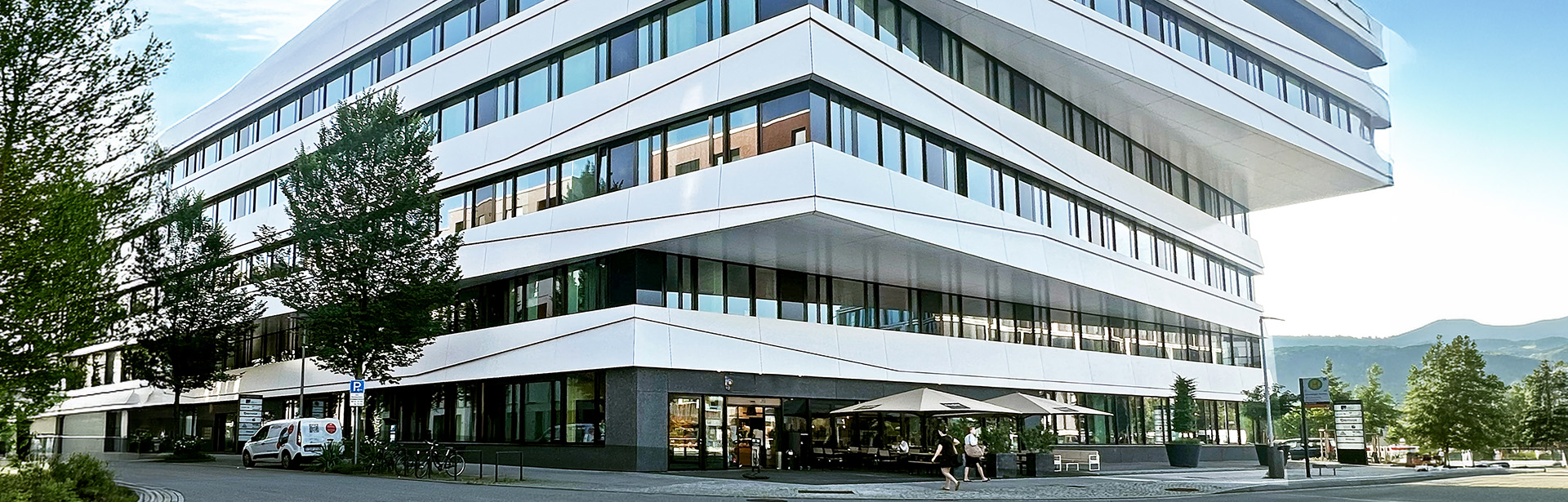
From a tourism perspective, smart infrastructure significantly boosts the competitiveness of a tourist destination by improving efficiency, convenience, and the quality of the visitor experience. Digital information systems, such as the “Mein-Heidelberg” app, real-time data on traffic or visitor flows, as well as smart mobility solutions such as Heidelberg’s digital parking guidance system, the state-of-the-art bicycle parking facilities at the main train station, the digital HeidelbergCARD for visitors, and the VRNnextbike bike-sharing service, improve navigation and accessibility. Visitors benefit from apps, contactless services, personalized recommendations, and fast Wi-Fi throughout much of the city.
At the same time, smart infrastructure enables sustainable destination management: data analysis helps conserve resources, avoid congestion, and tailor services to specific needs. This boosts satisfaction, safety, and the city’s image.
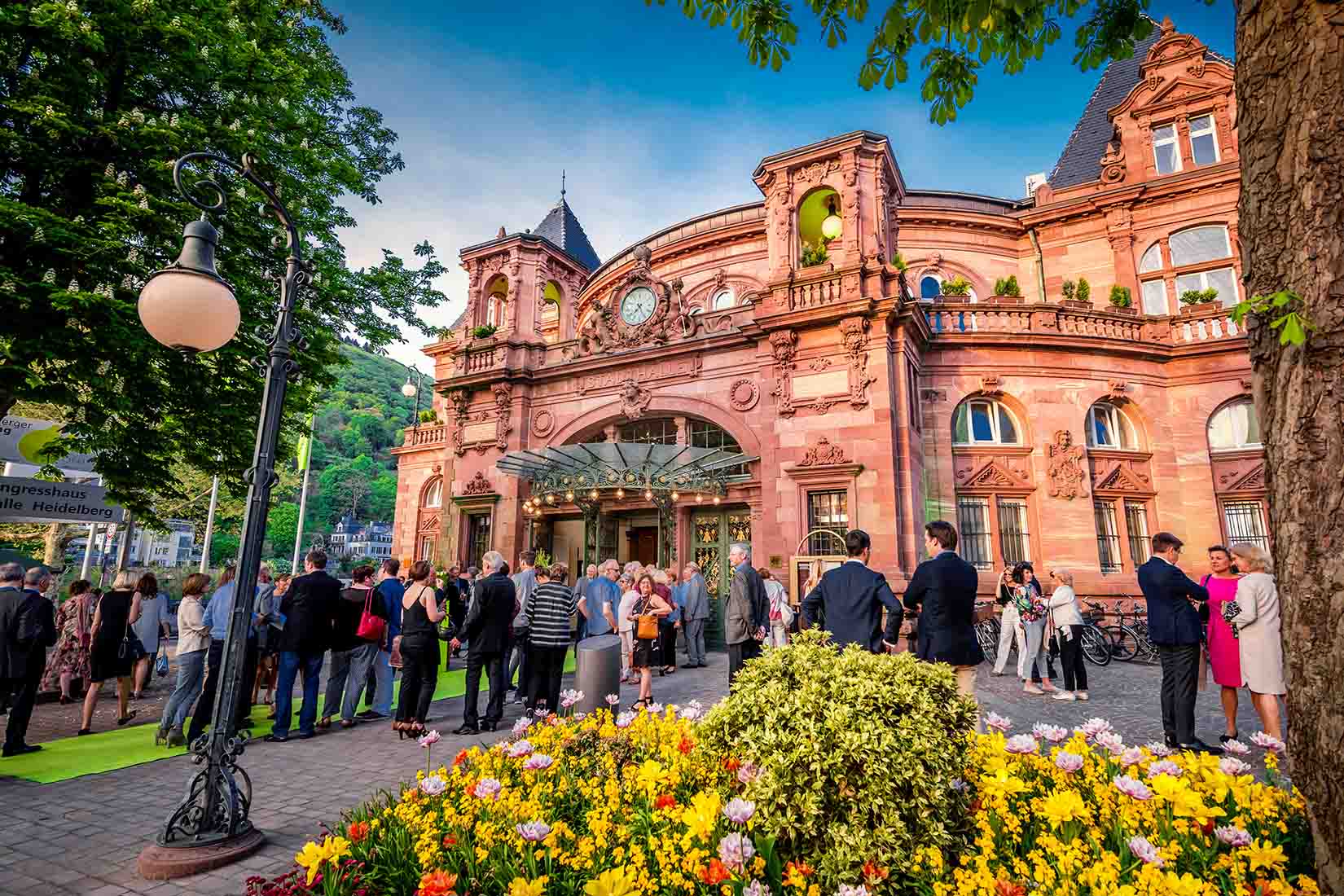
A destination like Heidelberg, which integrates innovative technologies, positions itself as modern and forward-looking—a clear competitive advantage in the international tourism market.
Relevant Location Factors
Today, tourism companies base their decisions primarily on the following location-related factors:
1. Accessibility & Infrastructure
Good transportation connections, digital infrastructure (fiber optics, 5G), and well-functioning utility networks.
2. Demand potential
Attractiveness of the destination, target audience demographics, purchasing power, seasonal trends, international markets.
3. Labor Market
Availability of qualified workers, wage levels, housing for employees
4. Location Image & Competition
Brand strength of the destination, opportunities for collaboration, competitive landscape.
Changes in recent years:
Yes, priorities have shifted. Digitalization, sustainability, resilience in the face of crises (such as a pandemic), and the shortage of skilled workers have become significantly more important. “Workations,” flexible travel options, and year-round occupancy also play a greater role today than they did in the past.
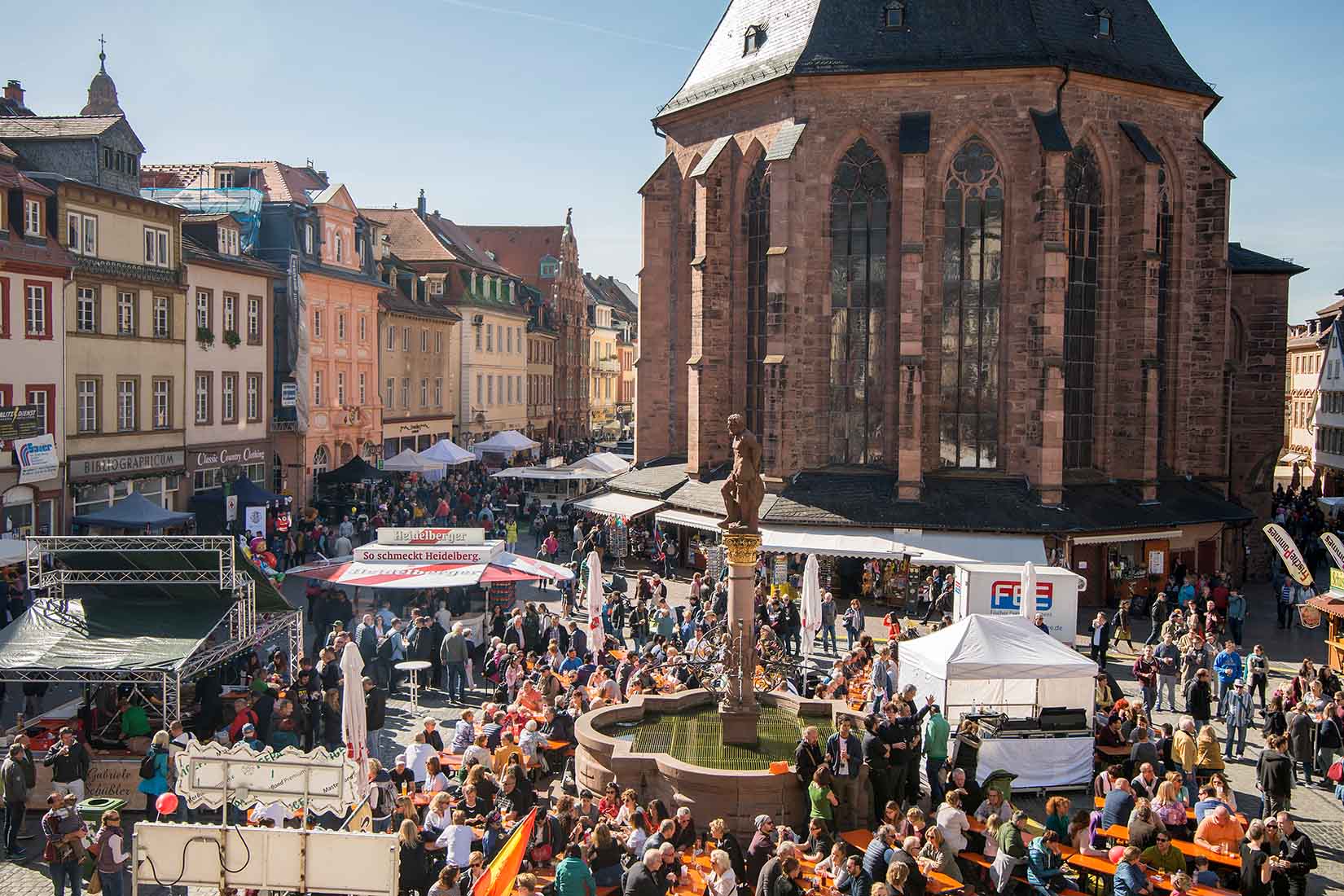
Heidelberg has positioned itself extremely successfully in terms of location-related factors. The city is well connected to the rail and road networks, and the airports in Frankfurt, Stuttgart, and Karlsruhe are all within an hour’s reach. Heidelberg has already received numerous awards for its digital innovations. It’s no coincidence that the internationally successful AI company Aleph Alpha was founded in Heidelberg in 2019.

A Location with Appeal
Despite the challenging housing market, Heidelberg remains an attractive employer due to its size, infrastructure, reputation as a vibrant college town, and quality of life—particularly in terms of sports, culture, diversity, and cosmopolitanism—as evidenced by the city’s unemployment statistics.
Heidelberg’s demand potential has steadily increased—apart from the global downturn caused by the COVID-19 pandemic. The city not only enjoys high demand for city tourism within Germany but also benefits internationally from its image as an outstanding hub for science, business, and tourism.
That is why Heidelberg has experienced above-average growth in the tourism sector—despite, or perhaps precisely because of, the changes following the pandemic.
Last year’s tourism figures speak for themselves:
According to forecasts, Heidelberg will see a historic record year in 2025 in terms of arrivals and overnight stays, achieving the highest percentage growth in Baden-Württemberg and, despite the significant increase in bed capacity in recent years, reaching an outstanding bed occupancy rate of 48.7 percent.
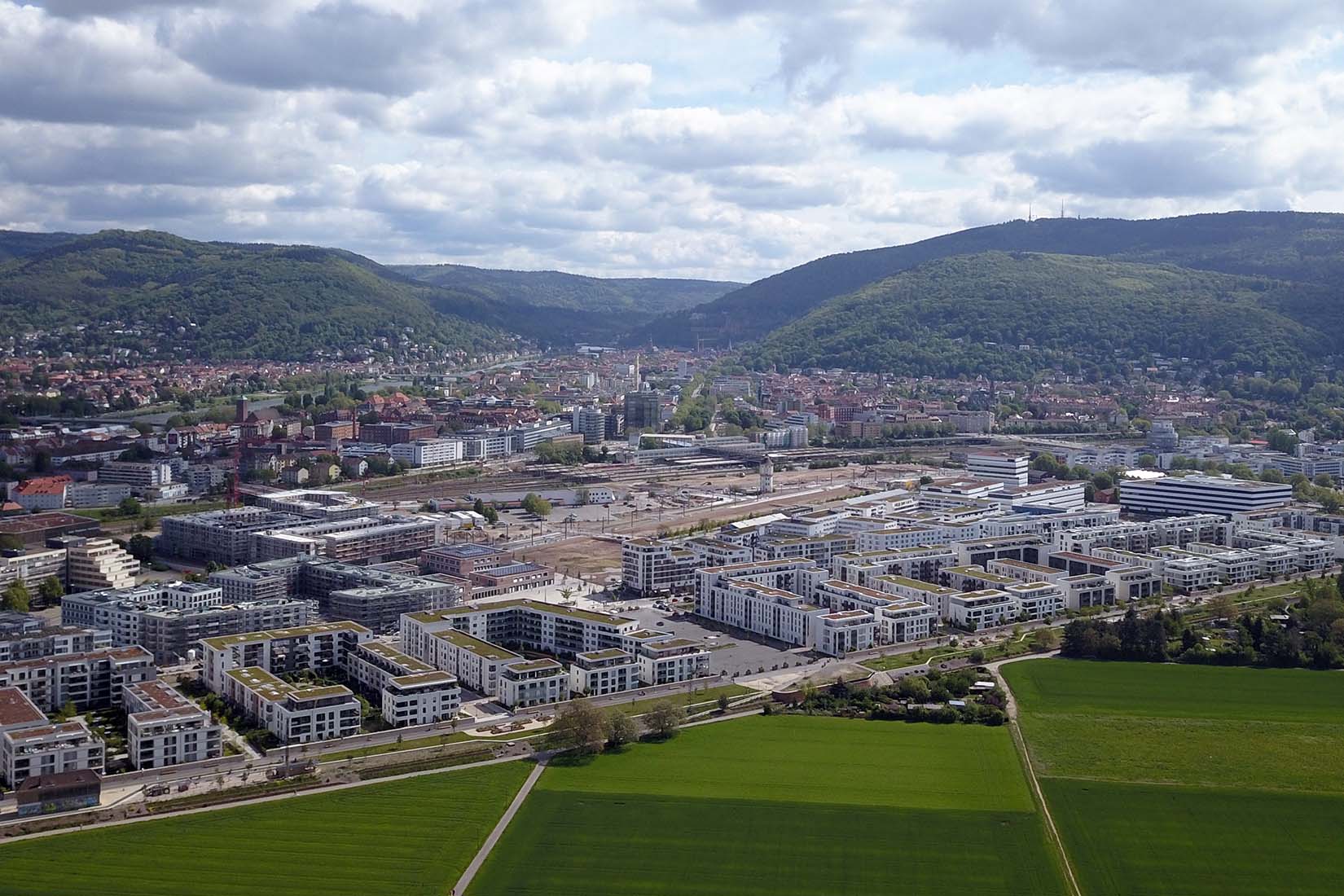
The events organized by Heidelberg Marketing—such as the Heidelberg Autumn Festival, the Christmas market, and the castle illuminations—generate economic value in the high double-digit millions.
In summary, it is clear that smart infrastructure is now a key competitive factor that sustainably strengthens both the city’s appeal to tourists and its attractiveness as a business location. Heidelberg demonstrates how digitalization, good accessibility, innovative strength, and a strong image combine to create a sustainable, resilient tourism destination. The current record figures underscore that this strategic direction is clearly reflected in market success.