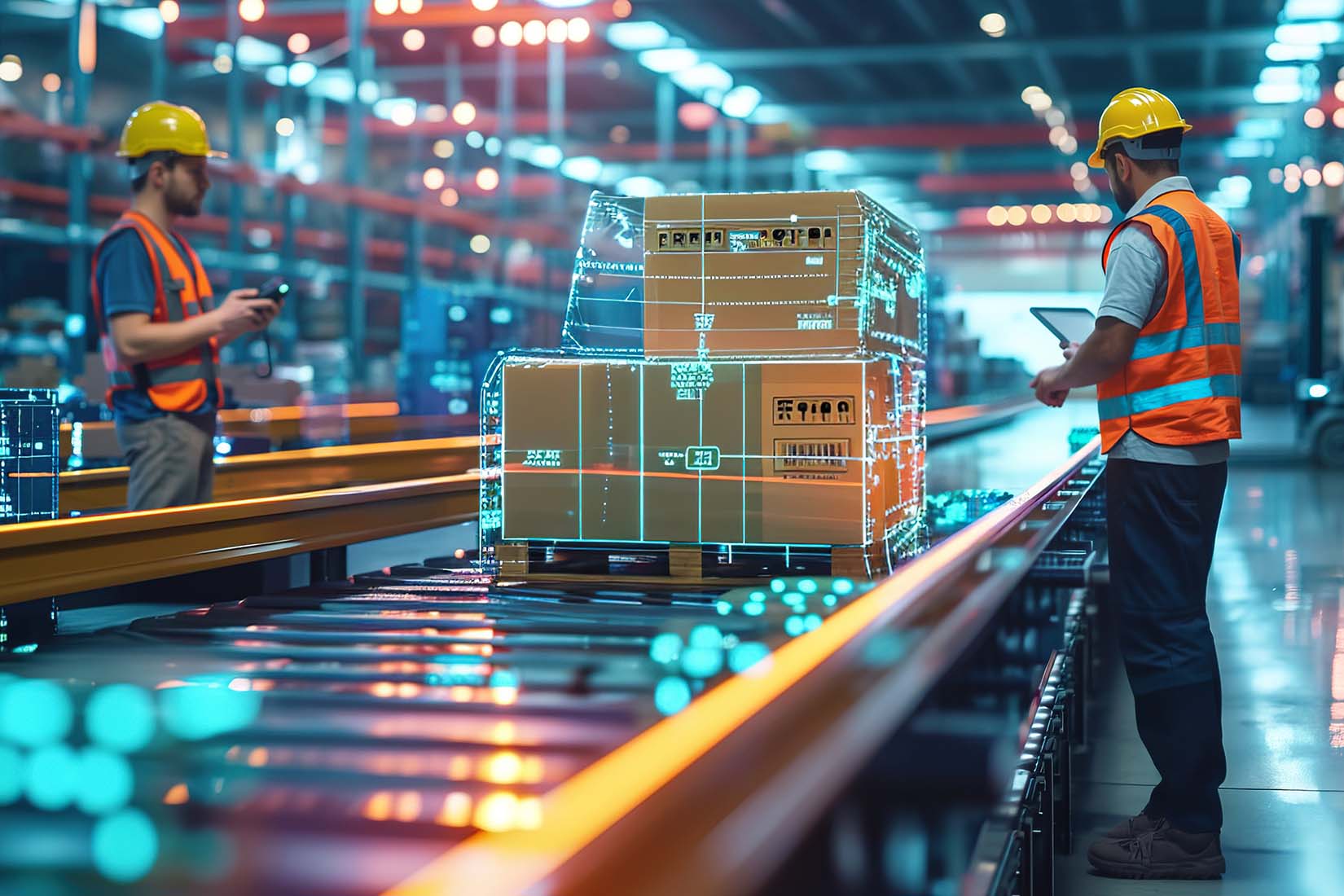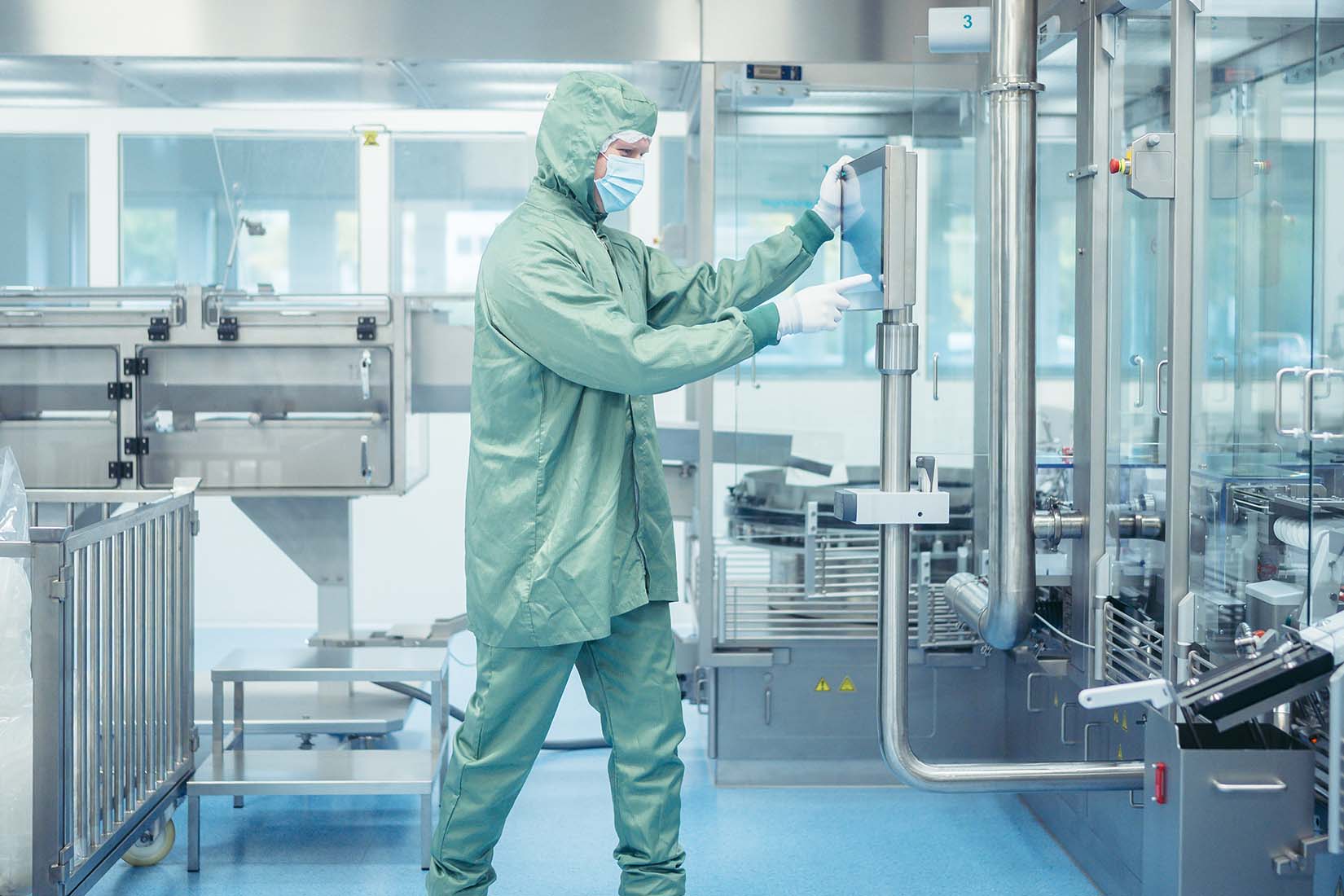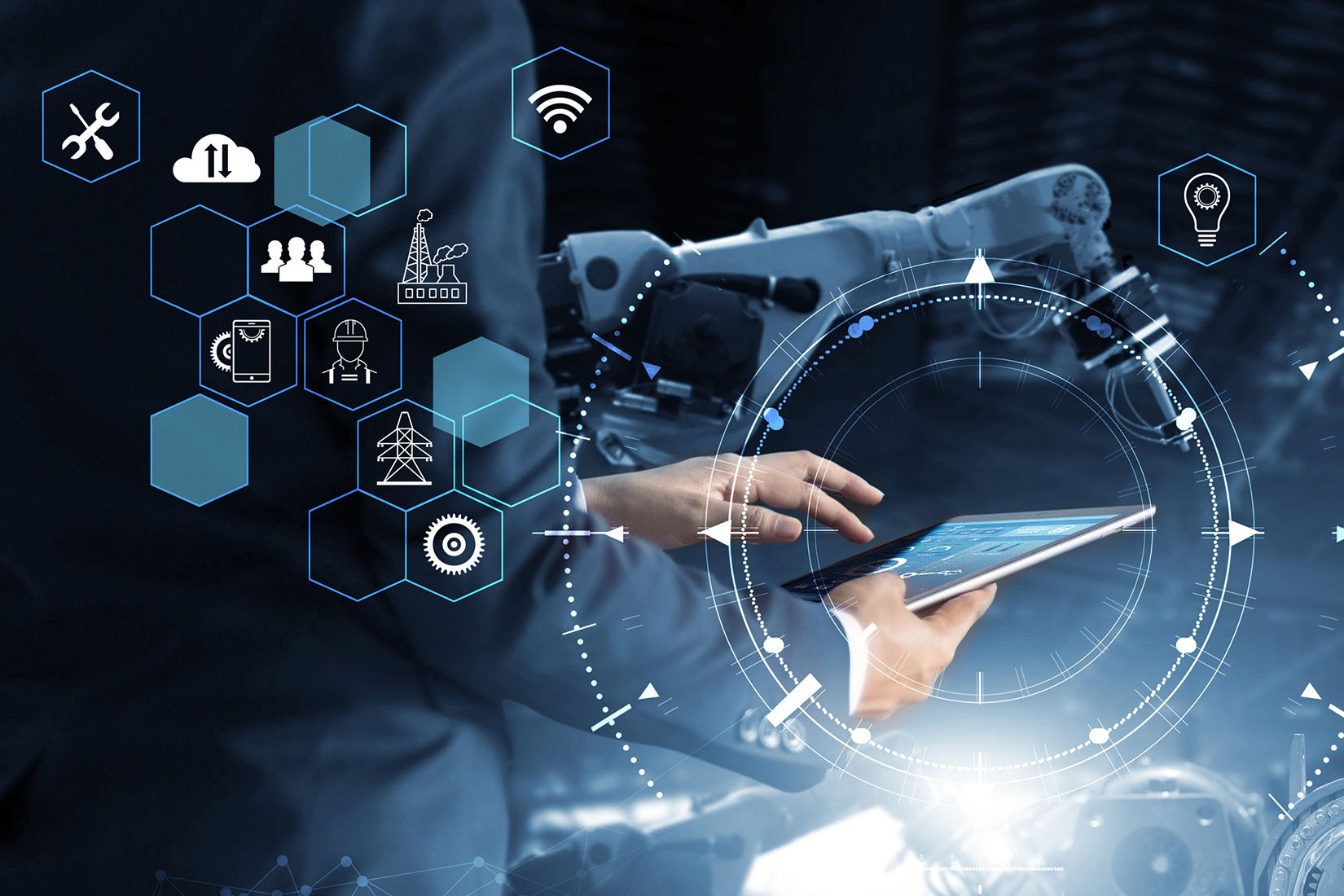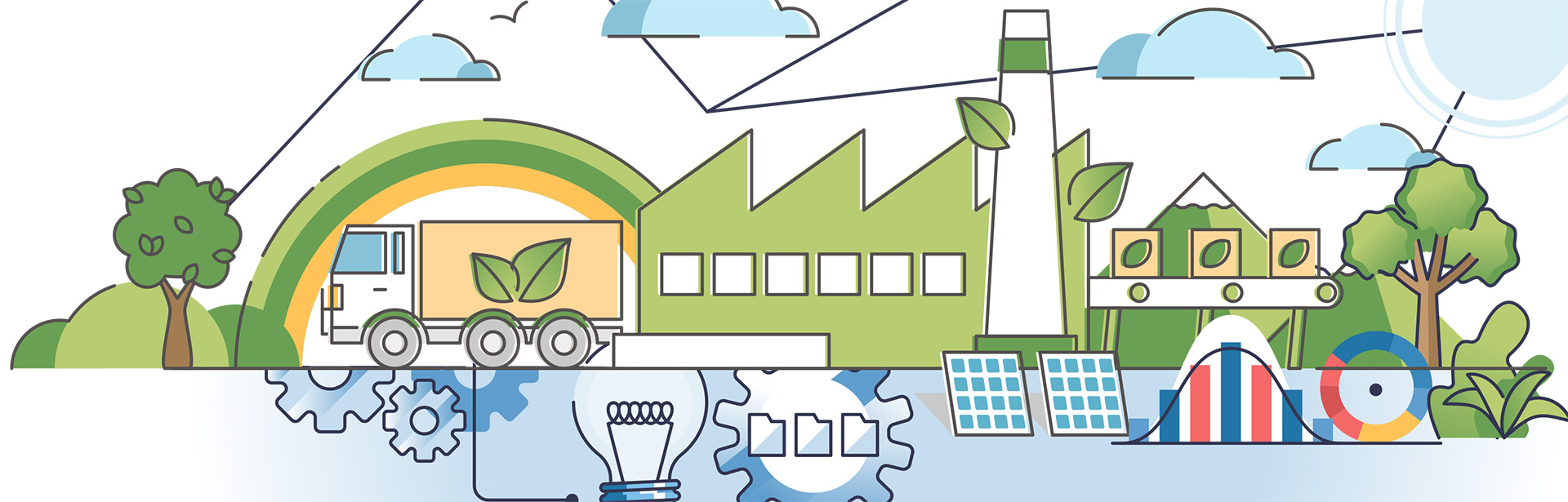
For a long time, it was generally accepted that physical, digital, and organizational infrastructures form the basis for value creation. But now this foundation is changing. Its underlying factors are converging. They are merging into smart infrastructures—technical systems that combine traditional infrastructure, such as energy and buildings, with modern software, data, and digital connectivity. The focus is on sustainability, flexibility, and data intelligence—as well as the integration of people and technology. Meanwhile, modular construction methods and energy-optimized building concepts remain key factors. They serve as the launchpad on the journey from the traditional machine shop to the smart facility. For industrial companies, therefore, flexible factory layouts, resource-efficient facilities, and integrated building services (TGA) are the buzzwords of the moment.
As office buildings, manufacturing facilities, and logistics centers converge in the data stream and create transparency along the value chain, planners and decision-makers are turning their attention to hybrid infrastructures and the repatriation of data to their own data centers. Public cloud services remain relevant, for example, for global applications. However, cost control, compliance, and performance increasingly require a strategic balance between a company’s own infrastructure and elastic cloud solutions. Companies are therefore urged to constantly strive for the optimal balance between their own servers and cloud services.
Transforming Rigid Organizational Models
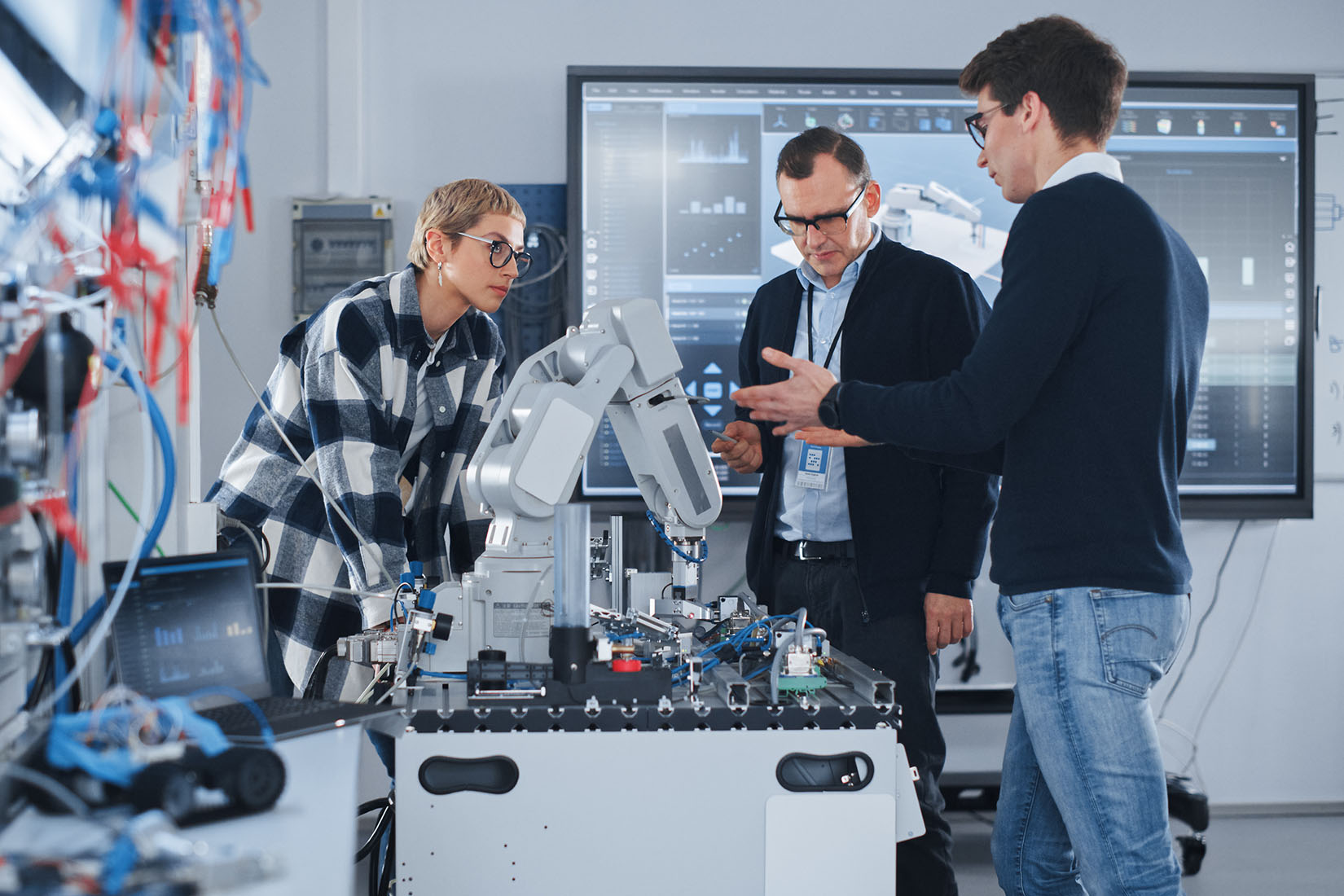
Meanwhile, the foundation for creative and resilient production structures is supported by intelligent work environments and flexible project structures. Autonomous AI agents and automated platforms optimize processes, increase efficiency, and minimize disruptions. Edge computing, green IT, and sustainable digitalization are increasingly proving to be key levers for keeping energy consumption and environmental impact in check. Process-based infrastructure, agile teams, and modern change management bring together skilled workers, technology, and processes. Meanwhile, human-centered design places the individual at the heart of the infrastructure, as performance levels also depend heavily on factors such as lighting, indoor climate, and acoustics.
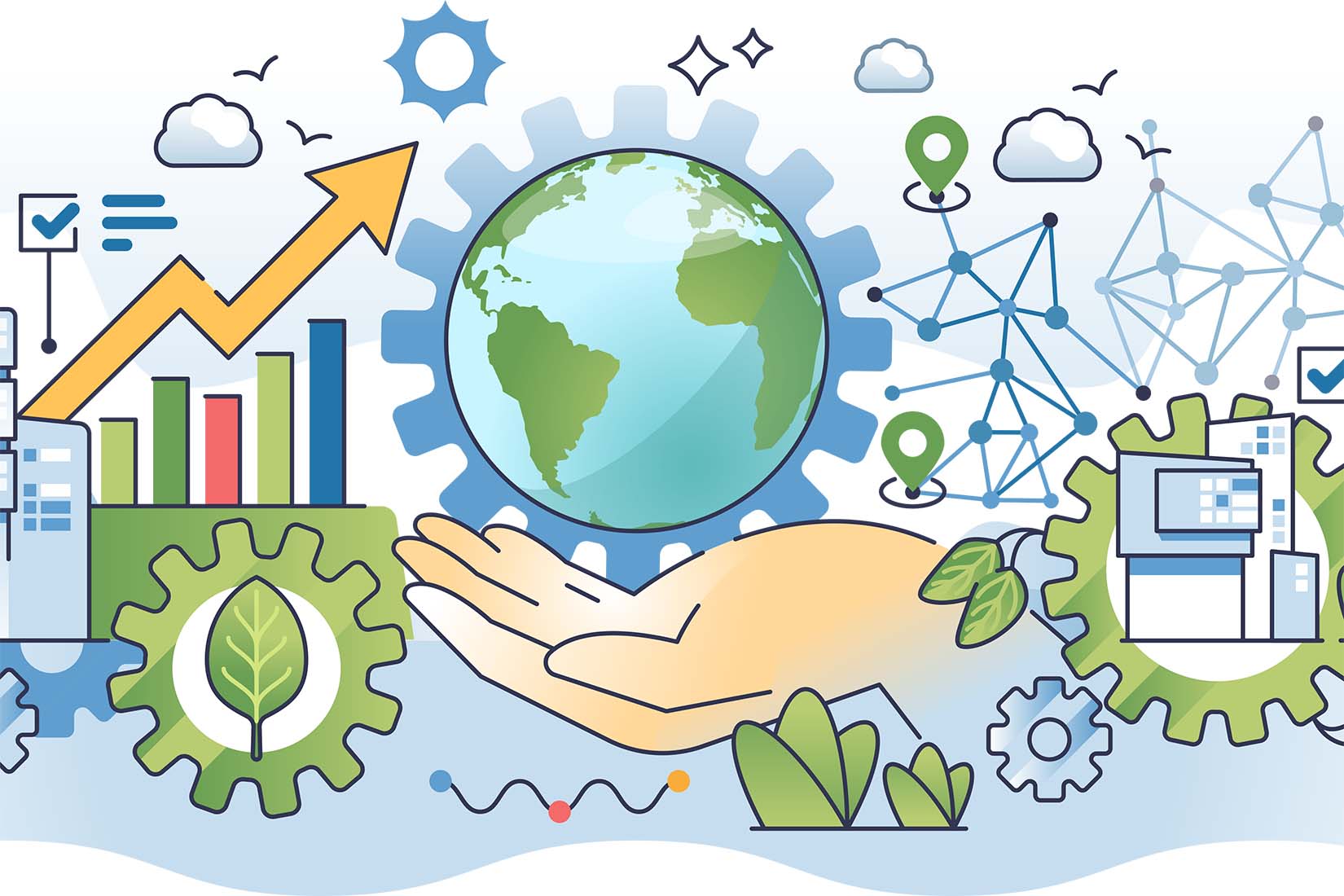
For companies, smart infrastructure in 2026 will mean, above all, modular and standardized solutions, a high degree of data sovereignty, and a finely tuned mix of cloud services and in-house server capacity. Data-driven location decisions, adaptive building technology, and AI-supported quality assurance offer additional opportunities for innovation and resilience. On top of that, regulatory requirements must be intelligently integrated. Central to this is the combination of hybrid, flexible IT and a sustainable energy supply. After all, efficiency and environmental performance are becoming strategic competitive factors more than ever before.
Opportunities for Innovation and Resilience
At io, digital, organizational, and physical infrastructures have always been interconnected—especially within its General Planning // plus division. Interdisciplinary teams design production, logistics, architecture, SAP, and cloud solutions holistically under one roof—tailored to each client’s needs, from construction plans to smart factories. In this way, io creates intelligent end-to-end systems in which all data flows together in a structured manner—for optimized processes and maximum efficiency.