Greater Clarity in Construction Projects
Construction projects are characterized by a high degree of complexity. Different trades must be coordinated simultaneously, resulting in extensive and multifaceted information flows. Structuring and keeping track of the multitude of contracts, meeting minutes, emails, and schedules poses a significant challenge. Information gaps can quickly lead to inefficiencies and delayed decision-making processes. At the same time, demands for responsiveness and transparency are increasing. In practice, however, a significant portion of attention is tied up in organizing and tracking growing volumes of communication and data. This increases the mental strain on those involved—which can negatively impact the quality of decision-making. Against this backdrop, it is not surprising that industry analyses have been pointing to structural fragmentation and untapped productivity potential for years.
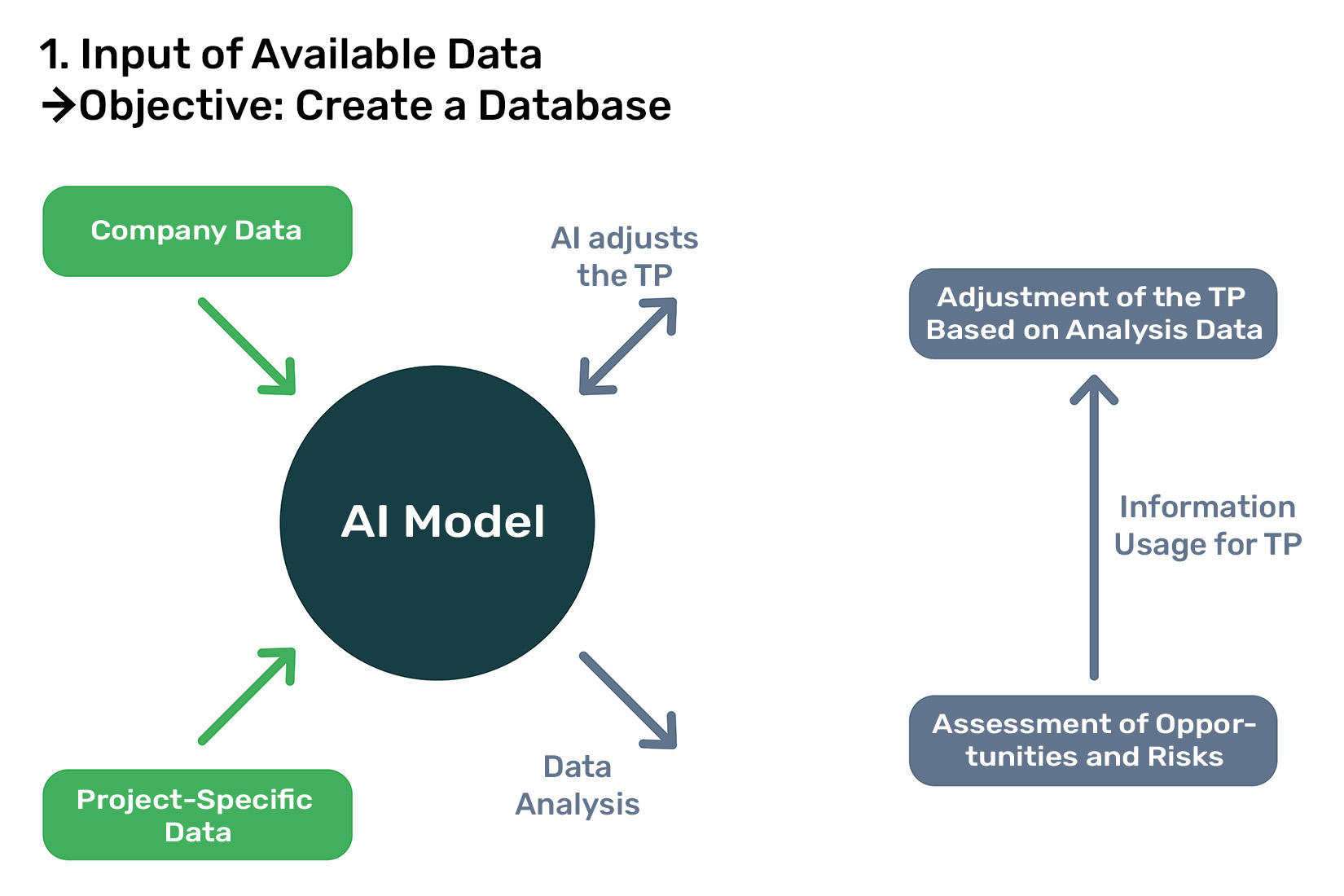
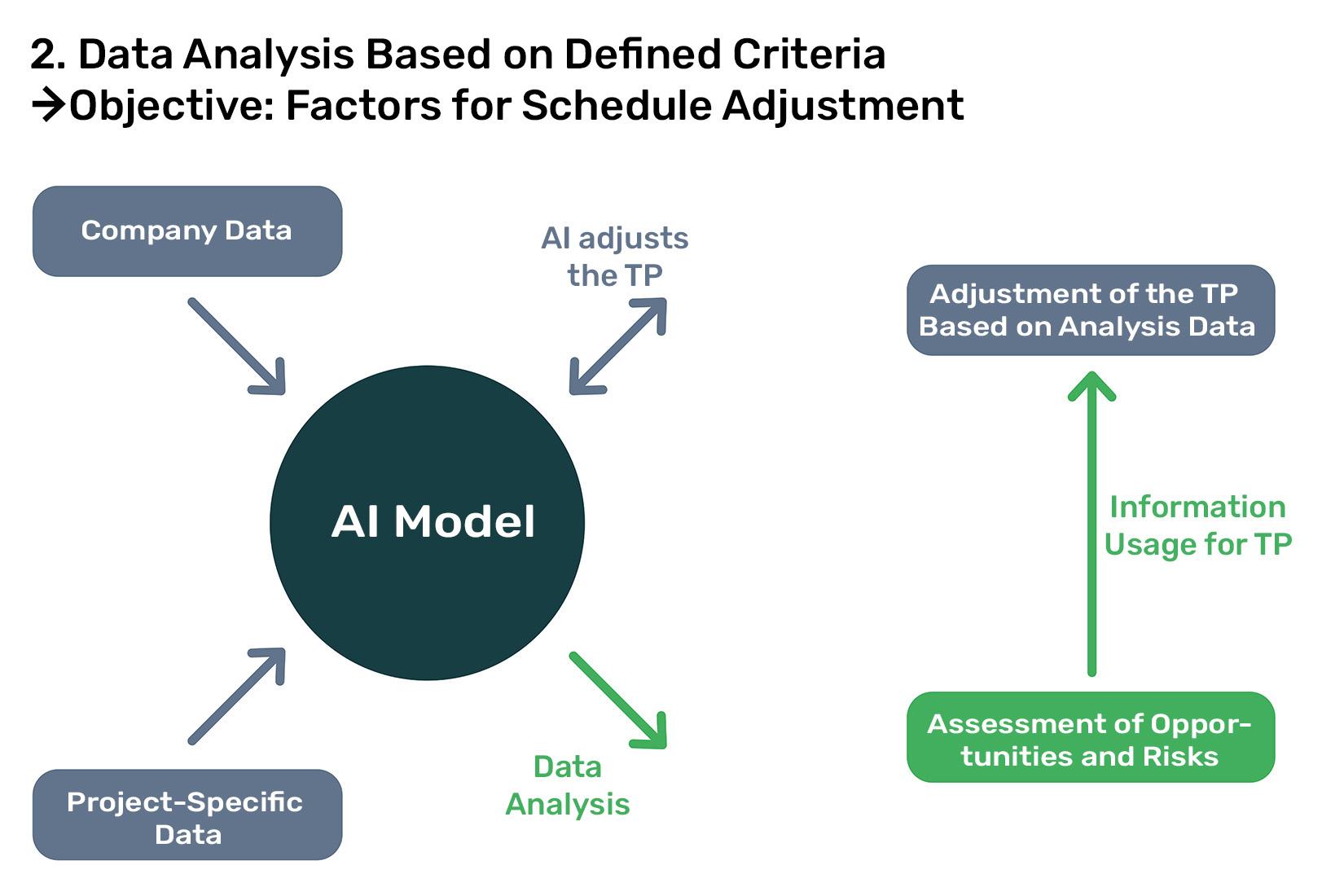
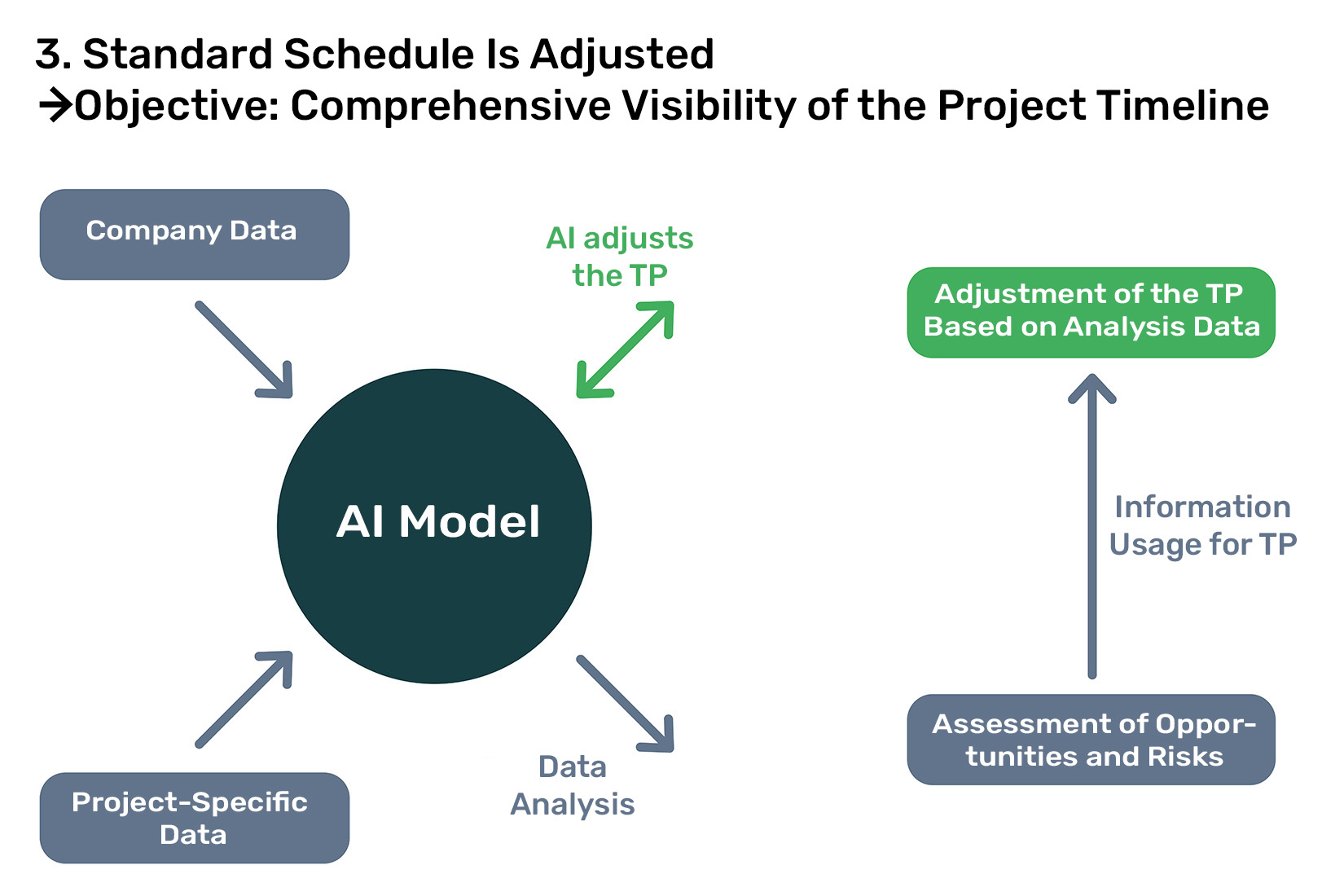
io is therefore developing approaches to specifically optimize scheduling workflows using AI. The solution links cause-and-effect relationships and consolidates scattered information into a structured knowledge base—thereby helping planning teams identify critical issues early on, derive appropriate measures, and track their effectiveness.
AI for Better Schedule Management
The system uses a locally operated large language model (LLM) specifically tailored to the construction industry context. It enables text-based interaction with a focus on precise language comprehension and well-founded response generation. In addition, it offers functions for maintaining and structuring planning databases, as well as for automatically reconciling potential schedule conflicts.
The underlying hybrid concept integrates schedules, documents, and risks into a seamless data pipeline and generates reliable analyses based on existing information. Development took place in a local Python environment using Visual Studio Code, ensuring that all data and models remain entirely under the client’s control and that sensitive information does not leave the existing IT infrastructure.
Technologically, the solution is based on a RAG (Retrieval-Augmented Generation) architecture, which combines semantic search and similarity analysis with generative capabilities. This enables the generation of answers based on traceable and verifiable sources. The use of this technology enables a new level of quality in scheduling by not only identifying and evaluating risks and opportunities but also systematically analyzing their causes.
The AI is currently being further developed to identify causal relationships between risks, opportunities, and their impacts even more reliably. The goal is to develop a scalable AI assistant that provides data-driven support to project teams in managing schedules and risks, thereby contributing to more sustainable and efficient project execution.