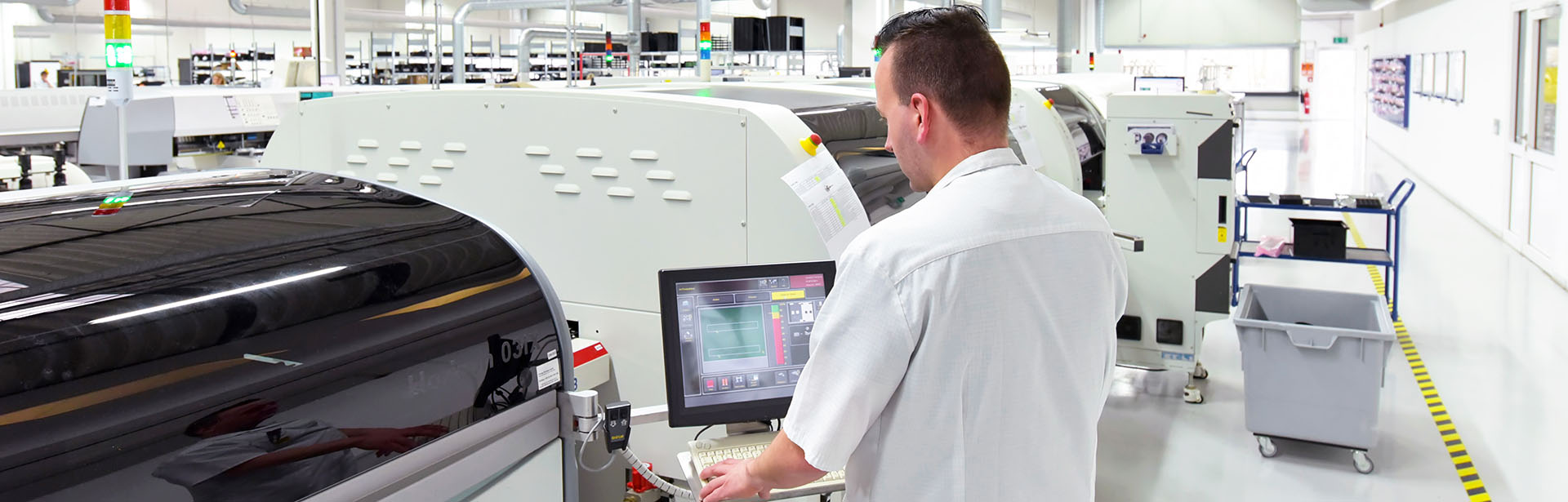
In many areas, the future of work is interconnected and flexible—and that future is here now. That’s why it’s better to invest in smart organizational structures today rather than tomorrow, as these structures place an emphasis on continuous knowledge sharing, transparency, and computer-aided production processes, as well as tools and, increasingly, AI. After all, advancing digitalization is not only changing our technologies but, as a direct consequence, also the way we work.
Since people play a crucial role in many companies, smart organizations must not only lay the technical groundwork for adaptive and interconnected technology—empowering people—but also always keep people at the center. Smart organizations keep the individual in mind, creating value by connecting information and business decisions. After all, productivity does not depend solely on computing power and software updates: factors such as light quality, air purity, and room acoustics are just as important.
Boosting Performance with Human-Centered Design
In addition to their level of digitalization, smart organizations can therefore also be recognized by what is known as human-centered design (HCD). According to ISO 9241-210:2019, the term refers to an approach to the development of interactive systems that increases user effectiveness and efficiency while simultaneously improving well-being and enhancing user satisfaction. Human-Centered Design thus supports workforce productivity.
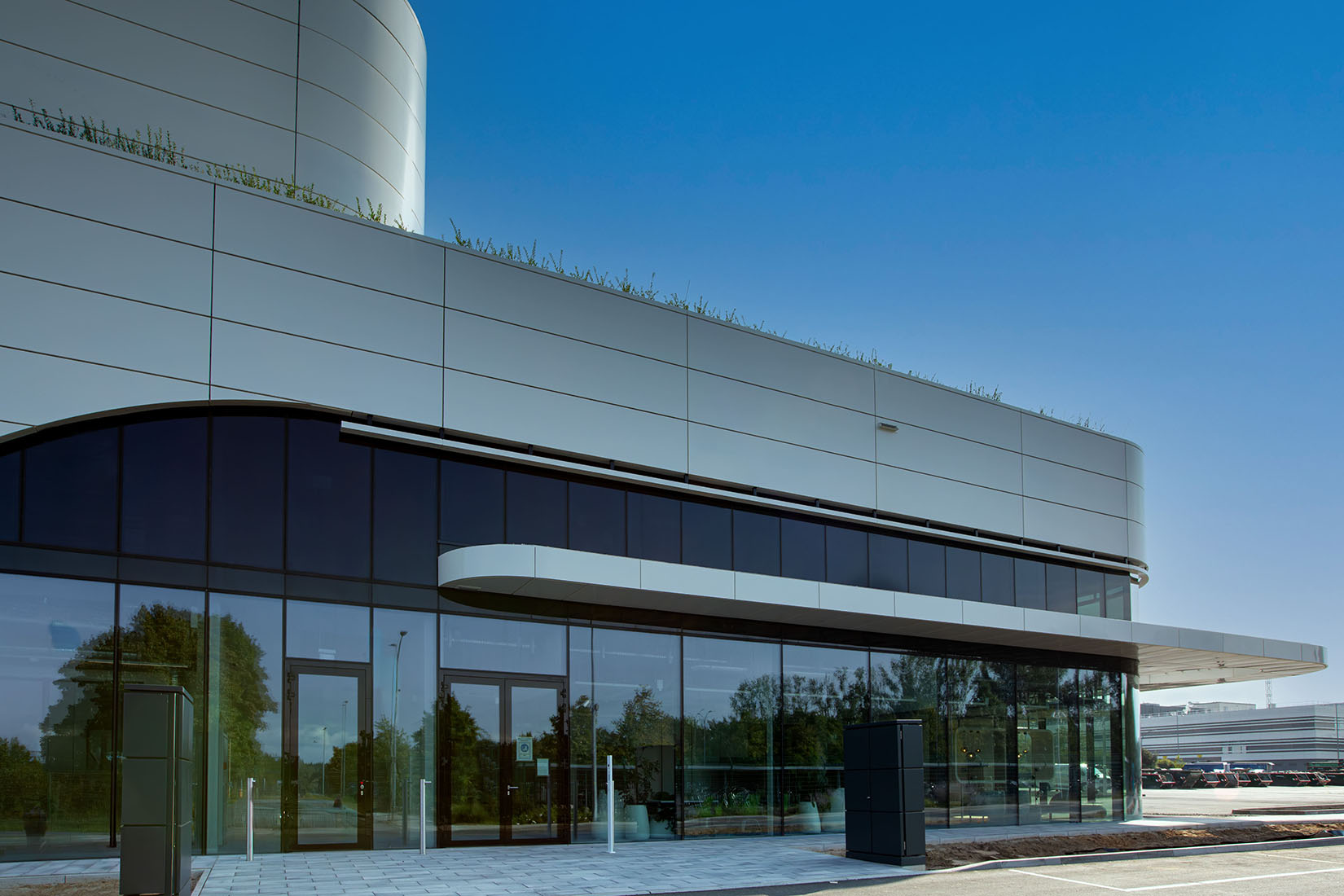
Weidmüller’s new logistics center, designed by io, which incorporates process requirements with a focus on the workforce, also confirms the business benefits of such measures: The abundant natural light not only reduces the cost of artificial lighting but also promotes employee health and productivity, particularly during picking processes.

Where Focus Makes a Difference
Another example comes from a manufacturing company to which io recommended setting up focus zones with soundproofing and individual lighting controls. The result of this implementation: 30 percent faster project processing and higher employee satisfaction.
Both examples are part of a long series of projects in which io has been able to demonstrate that process optimization not only can be reconciled with the needs of the workforce, but that the two also reinforce each other.
Benefits for Businesses
The benefits of HCD for businesses generally include lower energy costs—particularly for lighting—as well as more efficient operations. In the short term, HCD leads to fewer errors in processes, such as order picking. In the long term, this results in a healthier and more loyal workforce, which leads to fewer sick days and reduced recruitment costs.