Lower Costs, Greater Sustainability
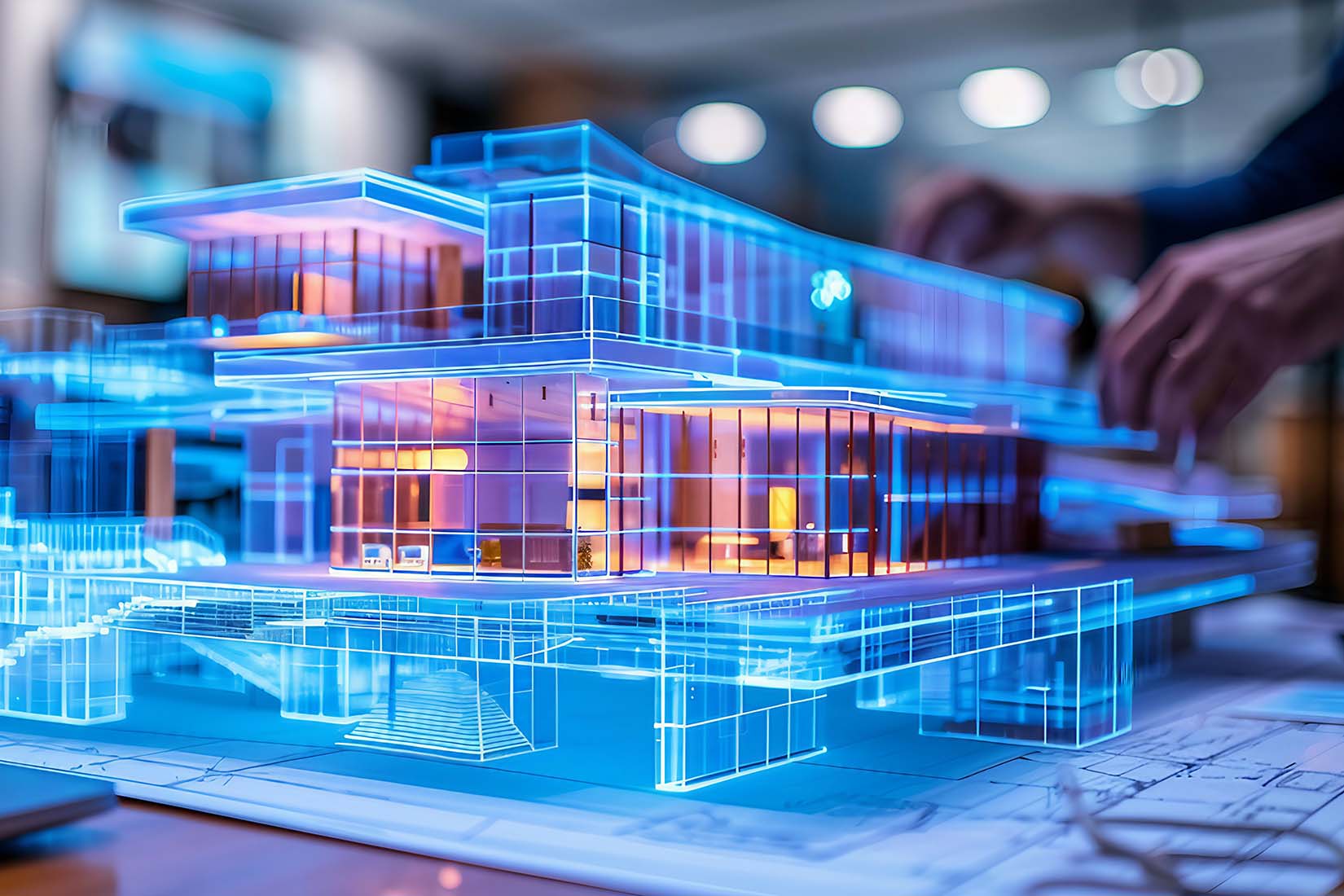
Industrial manufacturing processes are complex—and so, as a rule, are industrial buildings and building services systems. In recent years, the combination of these elements in particular has evolved into multifaceted systems in which energy efficiency and sustainability play central roles. The key to achieving these goals is the control of building services. This enables the optimization of energy flows, the integration of renewable energy, and the transparent presentation of CO₂ balances—through intelligent control strategies in a networked, digital environment.
Controlling Systems According to Demand
Modern building services systems integrate heating, ventilation, air conditioning, and energy management with digital platforms. Sensors continuously monitor parameters such as temperature, humidity, and CO₂ levels, while AI-based control systems analyze the data and adjust the systems to meet demand. This helps avoid peak loads, reduce grid costs, and optimize energy usage. Studies show that such strategies can reduce CO₂ emissions by up to 40 percent. Typical approaches include zone-based control of HVAC systems, the integration of photovoltaics and heat pumps, and the use of storage systems such as ice storage. These are complemented by intelligent load management that makes optimal use of waste heat from processes or permissible temperature fluctuations, further improving the overall balance.

Digital Documentation and Certification
In addition to technical optimization, digital documentation is also gaining importance. Systems for CO₂ accounting and energy monitoring provide real-time data that can be used for internal analyses and external verification. This data forms the basis for ensuring that sustainable (certified) buildings (DGNB, LEED, BREEAM…) remain efficient even during operation. Digital platforms and seamless monitoring enable efficiency from the planning phase through construction to operation.
Projects planned and supported by io—such as the new “Erbe 4.0” building for Erbe Medizintechnik in Rangendingen—are distinguished by the following aspects, among others:
- Energy-optimized and demand-driven heating and ventilation systems with heat recovery heating concepts.
- Integration of building automation with AI-powered forecasts for energy demand and maintenance.
- Design of photovoltaic systems and storage systems for on-site electricity consumption.
- Digital documentation via cloud-based platforms for monitoring and reporting.
- Building physics optimization, including high-quality insulation, daylighting systems, and LED lighting with occupancy sensors.
Added Value for Businesses
The advantages are clear: lower operating costs, an improved carbon footprint, and the ability to demonstrate sustainability in a transparent and measurable way. Smart building services not only make industrial buildings more efficient but also future-proof them. They lay the foundation for an infrastructure that is both environmentally sound and economically viable. Ideally, such a project—as in the example mentioned above—is supported by government grants. In addition, certifications, such as those from the DGNB, not only lead to lower operating costs but can also be used to enhance a company’s public image.