Challenges present opportunities: That sounds like a cliché. But in light of the energy transition and volatile electricity prices, it should certainly be taken as a call to action. That’s because manufacturing companies can significantly reduce their energy costs by utilizing controllable loads and time-variable electricity rates—thereby boosting their competitiveness.
Controllable loads are consumers whose operation can be time-shifted without compromising production quality: cooling systems, compressed air systems, heat generators, and other equipment that generally does not need to run continuously. Time-variable rates, in turn, are based on market prices or grid utilization. During periods of high renewable energy feed-in, these rates offer lower prices—regardless of the energy provider, as providers have been required to offer such rates since 2025.
Cost savings for manufacturing companies arise specifically from supporting but essential ancillary processes. Here are a few real-world examples:
- In food production, cooling processes are increasingly being shifted to time slots with low electricity prices, such as around noon when there is high photovoltaic feed-in—which can save up to 20 percent on energy costs.
- In metal processing, compressed air systems are operated at night during periods with lower electricity rates. This not only reduces electricity costs but also lowers grid fees due to reduced peak loads.
- Companies that use battery storage can store electricity during low-price periods to use it later—enabling savings of up to 30 percent.
Benefits for Businesses
The benefits are clear: direct cost savings, optimized grid fees, and greater sustainability, since low-cost time slots often correlate with high levels of renewable energy feed-in. In addition, the ability to flexibly shift load increases resilience to price fluctuations—making companies less dependent on traditional rate models.
Technical Requirements
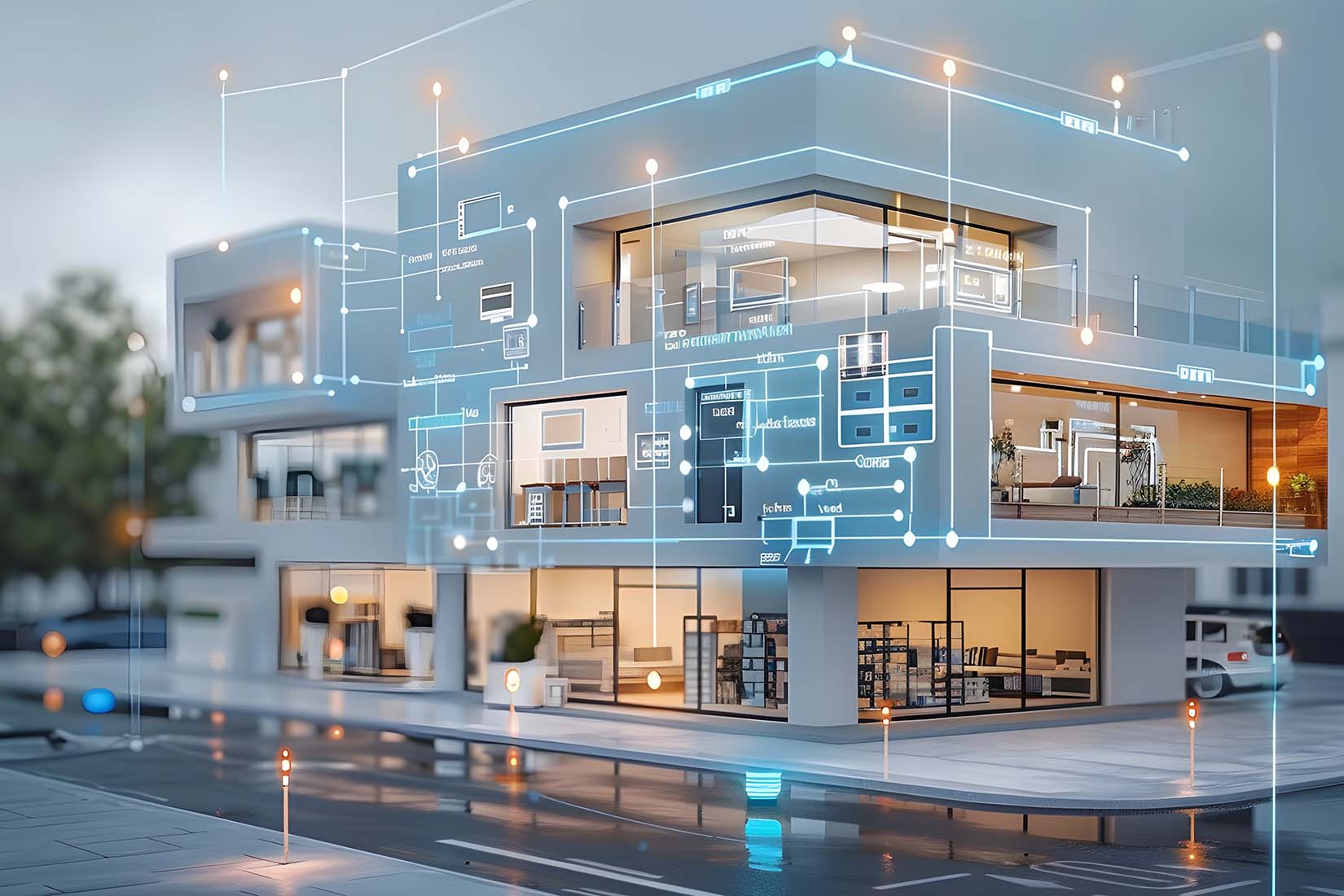
To fully leverage the benefits of controllable loads and time-varying electricity rates, smart metering systems (smart meters) that provide quarter-hourly consumption data are required. Energy management systems can also be used to automatically control load shifting. Furthermore, forecasting tools for prices and load profiles help in developing the optimal strategy for each individual situation.
Combining controllable loads with time-varying electricity rates offers a concrete way to reduce energy costs and achieve sustainability goals. Those who invest now will secure clear competitive advantages—especially if these measures are combined with the installation of a PV system or the scheduled replacement of the compressed air supply.